

Wooded Hollows & Spring Waters: Off-Grid Camping in Ozark National Scenic Riverways
, by OFFICIALLETWESAF, 5 min reading time
, by OFFICIALLETWESAF, 5 min reading time
If you’re a fan of raw, unpolished midwestern outdoor camping, few spots beat the remote backcountry zones of Ozark National Scenic Riverways. I planned a three-day off-grid primitive camping trip here recently, ditching crowded developed campgrounds for quiet wooded hollow sites along the Current River. Before I headed out on my backcountry hike, I slipped my LETWESAF camping perimeter alarm into my hiking pack as a low-key safety backup for my outdoor stay.
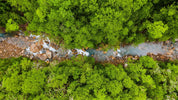
 The Ozarks deliver a completely different camping vibe compared to coastal or mountain destinations. This protected wild river system features endless rolling hardwood ridges, crystal spring-fed waterways, and rugged limestone outcrops hidden deep in the forest. My backcountry campsite sat just steps from the river bank, surrounded by mature oak and pine trees that block most daytime wind and create thick, quiet shade all day long.
 I spent my entire first day exploring the local terrain. I hiked short sections of the Ozark Trail, waded the shallow river shallows to spot local fish species, and scouted small natural caves tucked into the bluff sides. The air stays cool and humid year-round here, even in summer, with constant soft airflow coming off the running river water. By late afternoon, I built a small campfire and prepped a simple outdoor meal, soaking in the total silence of this remote wilderness.
What most new Ozark campers don’t anticipate is the area’s active nocturnal wildlife. Unlike common campsite pests, the backcountry zones host bold raccoons, curious striped skunks, and roaming deer that grow accustomed to empty primitive campsites. On a previous solo backcountry trip here, wildlife wandered through my unguarded site overnight, knocking over my cookware and rooting through my packed gear for faint food scents.
I stuck strictly to all NPS primitive camping rules for this trip. I sealed every food item tightly, stowed all scented toiletries in the designated wildlife storage containers, and wiped down my entire camp area to eliminate residual odors. Even with strict cleanup and proper storage habits, I struggled to relax after dark.
The dense forest creates constant subtle noises after sunset. Rustling underbrush, falling dry branches, and distant river ripples sound amplified in the total quiet. I found myself staying up late each night, constantly scanning the tree line with my headlamp and staying alert for approaching wildlife. This nonstop vigilance killed my rest, leaving me exhausted and unable to fully enjoy daytime hiking and river exploration.
Frustrated with restless nights on my second day, I decided to set up my LETWESAF camping perimeter alarm device before dusk. I mounted it firmly on a sturdy tree trunk at the edge of my campsite perimeter. The setup was straightforward with no complex wiring or confusing settings, letting me finish prepping my campsite quickly before dark.
The difference this simple piece of gear made was night and day. After finishing my dinner cleanup and securing all my gear, I climbed into my tent without the usual lingering anxiety. I fell asleep fast and slept soundly through most of the night, something I never manage during typical backcountry camping trips.
Slightly after midnight, the device released a clear warning beep tone. I grabbed my headlamp and glanced outside, spotting a small skunk lingering at the far edge of my detection zone. It paused briefly before turning away from my campsite entirely, never getting close to my tent, cookware, or stored supplies.
I didn’t have to jolt awake fully, rush out of my tent across uneven forest ground, or waste energy deterring wildlife. The early alert gave me complete peace of mind, letting me fall right back into a deep sleep. I woke up at sunrise feeling fully rested, with plenty of energy to tackle a long morning hike and river float I’d been looking forward to.
This trip taught me reliable, low-effort safety habits make or break remote outdoor camping experiences. For anyone planning primitive camping in the Ozark National Scenic Riverways, a few key tips go a long way. Always eliminate all food and scent residue from your campsite before dark, as local wildlife has extremely sensitive smell receptors.
Avoid setting up camp directly on flat riverbank paths, which act as natural wildlife corridors after sunset. Keep all hiking gear, cookware, and outdoor supplies packed and sealed overnight instead of leaving them exposed. Set up any portable outdoor safety equipment during daylight hours to avoid rushed, messy setup in dark, wooded terrain.
By the end of my three-day stay, I’d hiked miles of trail, floated quiet river channels, and explored hidden bluff caves without a single stressful night. The Ozarks’ raw, unspoiled wilderness is one of the best midwestern outdoor destinations, offering authentic off-grid camping you can’t find at developed parks.
Having LETWESAF along for the journey removed the constant low-level stress of backcountry wildlife encounters. Quality outdoor gear doesn’t need over-the-top features. It just needs to deliver consistent, quiet protection, so campers can focus entirely on exploring nature instead of worrying about campsite safety.
 Every great outdoor adventure balances bold exploration with smart preparedness, and small safety tools make remote camping far more accessible for all skill levels.
Have you dealt with nocturnal wildlife interruptions during Ozark backcountry camping? Share your best safety hacks and wild camping stories in the comments below.
*Sources
National Park Service. Ozark National Scenic Riverways Wildlife & Primitive Camping Safety Guidelines. https://www.nps.gov/ozar/planyourvisit/camping.htm

