

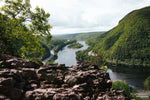
River Valley Primitive Camping: Wild Adventures at Delaware Water Gap NRA
, by OFFICIALLETWESAF, 4 min reading time
, by OFFICIALLETWESAF, 4 min reading time
Primitive camping at Delaware Water Gap NRA stands apart from every other outdoor spot in the Northeast.
 This cross-state recreation area blends rugged river terrain, dense mixed woodland, and diverse wild animal habitats that make every overnight trip unpredictable.
 I recently completed a two-night primitive camping trip here, trading crowded developed campgrounds for quiet, off-grid river shore sites. I packed light for the backcountry and added my LETWESAF camping perimeter alarm as a practical safety layer for my solo outdoor stay.
The Water Gap’s wilderness character is unmatched. My primitive campsite sat along a quiet river bend, surrounded by thick bushy thickets, rocky trail edges, and towering forested bluffs. Unlike open desert or alpine camps, this area features heavy ground cover and shaded low-lying vegetation — perfect shelter for snakes, small mammals, and roaming wildlife after dark. There are no artificial lights, no visitor traffic, and no park amenities nearby, which means full self-reliance is mandatory for every camper.
I spent my trip exploring lesser-known foot trails and slow river shorelines. I stuck strictly to marked paths per NPS safety rules, scanning leaf litter and rocky crevices carefully while hiking. The park’s wildlife ecosystem is extremely active, with everything from foraging raccoons to occasional black bears roaming the vast woodland territories. What most new campers underestimate is how easily human scent residue can draw wildlife straight to a remote campsite.
During previous visits, I’ve witnessed careless camping habits lead to unnecessary wildlife encounters. Campers leaving food scraps, scented toiletries, or unsecured trash outdoors quickly condition local animals to approach human camps. According to official 2026 NPS wildlife safety updates, visitors must maintain zero food-waste campsites, store all fragrant items properly, and avoid any form of wildlife feeding to protect both animals and campers.
I followed every rule to the letter on this trip. I stored all food, hygiene products, and outdoor bait in sealed wildlife-proof containers, wiped down all cooking surfaces multiple times, and packed out every single piece of trash. I kept my campsite spotless and scent-free, yet I still struggled to relax after dark. Thick bushes surround the entire shoreline zone, and every subtle movement in the underbrush felt like a potential wildlife approach.
Solo primitive camping demands constant mental focus. I found myself staying up late each night, constantly scanning thick thickets and shadowy trail edges for movement. I worried about unnoticed critters slipping into my campsite or hidden snakes resting in warm ground cover near my tent. This ongoing mental tension ruined my sleep quality and kept me from fully enjoying the park’s stunning river and forest scenery.
On my second afternoon, I decided to set up my LETWESAF camping perimeter alarm device ahead of sunset to eliminate manual overnight monitoring. I secured it on a stable outer tree position covering my main trail access and thick bush perimeter. The entire setup requires no network connection or complicated wiring, letting me finish all safety arrangements quickly and wait calmly for nightfall.
This camping perimeter alarm completely changed my primitive camping experience. After finishing my final evening cleanup and securing all gear, I entered my tent with zero lingering anxiety. I slept soundly through the evening hours until the unit emitted a clear warning beep after midnight, signaling perimeter movement nearby.
I turned on my headlamp and checked the outer bush line. A lone raccoon was investigating the outer edge of my detection zone, drawn by faint natural woodland scents. The immediate alert interrupted its advance. It paused briefly before turning away and vanishing into the dense forest, never coming close to my tent, storage containers, or camping equipment.
I did not need to exit my tent into dark, uneven terrain, chase wildlife away, or stay awake on high alert. The perimeter system handled all-night campsite monitoring automatically. I fell back asleep instantly and enjoyed uninterrupted rest until natural sunrise. The next morning, I felt fully recharged and spent the day hiking remote trails and photographing the park’s iconic river valley landscapes.
This trip taught me targeted, park-specific camping habits for anyone visiting Delaware Water Gap NRA. Always stay on designated trails to avoid accidental wildlife or snake encounters. Keep all campsites completely free of food waste and fragrant residues. Never leave gear unattended overnight, and finish all safety equipment setup during daylight hours.
Responsible outdoor exploration hinges on smart preparation, not fear. Modern portable safety tools remove the mental burden of overnight wildlife monitoring, letting campers focus on exploring nature rather than defending their campsite.
Delaware Water Gap’s wild river valleys offer some of the most authentic primitive camping in the Northeast. Having LETWESAF along for the journey stripped away unnecessary camping stress, allowing me to fully immerse myself in unfiltered backcountry exploration.
 Great outdoor adventures are built on balance — bold exploration paired with quiet, reliable preparedness. Simple, effective safety gear lets outdoor enthusiasts explore deeper wild spaces while respecting park ecosystems and official wildlife guidelines.
What’s your best habit for staying safe from nighttime wildlife on primitive river campsites? Drop your proven camping tips in the comments below!
*Sources
National Park Service. Delaware Water Gap National Recreation Area Wildlife Safety Guidelines (Updated Jan 2026). https://www.nps.gov/dewa/planyourvisit/wildlife-safety.htm

