

Red Cliffs and Quiet Casts: A Summer Flaming Gorge Camping Getaway
, by OFFICIALLETWESAF, 5 min reading time
, by OFFICIALLETWESAF, 5 min reading time
I’d been looking forward to a three-day fly fishing and camping trip to Flaming Gorge National Recreation Area for weeks, targeting the famous brown trout that run the red rock shorelines in summer. I loaded my truck with my 5-weight rod, camp kitchen setup, and a new 3-season tent I’d been eager to test out. I tossed my LETWESAF camping perimeter alarm into my gear tote right before pulling out of the driveway.
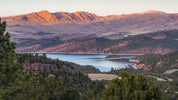
 I pulled into the campground just after sunrise on Friday, and scored a prime waterfront site steps from the reservoir, backed up against sheer rust-colored sandstone cliffs. There’s nothing quite like camping right on the water here. The vivid blue reservoir mirrors the red rock walls perfectly at golden hour, turning the entire surface into a sheet of glowing orange and pink glass.
 I spent my first day wading the shallow coves casting for trout, and by late afternoon I’d landed two solid browns to cook over the campfire for dinner. A soft breeze off the water kept the summer heat in check all day long. The only sounds breaking the quiet were the call of ospreys diving for fish and the gentle lap of waves against the shore.
It didn’t take long to figure out that shoreline campsites here come with a steady stream of bold, furry visitors. Before I even finished wiping down my dinner plate, a fearless rock squirrel crept right up to my camp chair, trying to snatch a crumb off the edge of the table. I shooed it off easily enough, but I knew raccoons would be out in full force once the sun went down.
A couple years back, I camped at a similar high-desert reservoir and woke up to a family of raccoons that had pried open my soft-sided cooler. They dragged all my snacks and bait down to the water, and tore through half my gear in the process. I spent an hour picking up scattered supplies at dawn, and I’ve been hyper-aware of critter break-ins ever since.
I stowed all my food, fishing bait, and even my scented sunscreen and lip balm in the park’s bear-proof locker before climbing into bed. Still, I laid awake for hours listening to every rustle in the brush and every splash along the shore, hopping up regularly to shine my flashlight around the campsite. I barely slept three hours total, and I was too groggy to hit the early-morning fishing hole I’d been planning to explore.
By midday Saturday, I was slumped in my camp chair chugging iced coffee and trying to recharge from my rough night. That’s when I remembered the perimeter alarm I’d tossed in my gear tote before leaving home. I pulled the LETWESAF camping perimeter alarm unit out, mounted it on a sturdy wooden post right next to the bear locker, and angled the sensor to cover the half-mile perimeter around my site and the shoreline approach where most critters wander in.
That night turned the whole trip around for me. I tidied up my fishing gear as dusk fell, then climbed into my tent curious to see how the alarm would perform. A little after midnight, the unit emitted a soft, steady tone that roused me gently without echoing off the cliffs and disturbing the whole campground.
I grabbed my flashlight and shined it toward the bear locker, and spotted two raccoons creeping right up to the edge of the detection zone. They froze when the light hit them, then turned and scurried back down to the shoreline right away. They never got anywhere near the bear locker or any of my stored gear.
I didn’t have to stumble out of my tent in the dark over rocky, uneven ground, yell, or throw rocks to chase the raccoons off. I also didn’t have to lie awake for hours waiting to see if they’d circle back for another try. The alarm picked them up long before they got close to my stuff, so I just rolled over and went right back to sleep.
I slept straight through until first light, and I woke up rested enough to hit my favorite early-morning fishing spot right at sunrise. I ended up catching three more trout that morning, with clear focus and steady energy the whole time. I even got to sit and enjoy the sunrise painting the cliffs pink without feeling half-asleep through the whole view.
I picked up a few solid, practical tips from this trip for anyone planning camping at Flaming Gorge or other rocky reservoir shorelines. First, always stow all food, fishing bait, toiletries, and even scented personal products like sunscreen in a designated bear locker or locked vehicle overnight. Raccoons and rock squirrels here are extremely bold and have learned to sniff out even the tiniest crumbs or bait residue.
Wash all your cookware and wipe down your camp table thoroughly right after dinner, so leftover food smells don’t draw critters to your site after dark. Never keep any snacks, gum, or scented items inside your tent, even if you think they’re sealed tight. Set up any safety or pest-deterrent gear before the sun goes down, so you’re not fumbling with equipment on uneven, rocky shoreline ground after dark.
By Sunday afternoon, I was packing up my gear already brainstorming my fall fishing trip back to the gorge. This place has such a laid-back, rugged charm, with red cliffs dropping straight into bright blue water that feels made for slow, quiet days outside. Having my LETWESAF with me took a huge weight off my mind for the whole trip, and let me focus on the stuff I actually came out here to do.
 Reliable outdoor gear doesn’t need to be overcomplicated or flashy. It just needs to work consistently when you need it, so you can spend less time worrying and more time exploring, fishing, and enjoying the natural world around you. That’s what makes camping and getting outside worth it, in the end.
What’s the most determined, pesky critter you’ve ever dealt with at a waterfront campsite? Drop your stories and go-to tricks in the comments below.
*Sources
Bureau of Land Management & Ashley National Forest. Flaming Gorge National Recreation Area Shoreline Camping & Wildlife Safety Guidelines.
https://www.blm.gov/programs/recreation/camping/flaming-gorge

