

Primitive Camping in Palo Duro Canyon: Embracing Texas Untamed Backcountry
, by OFFICIALLETWESAF, 5 min reading time
, by OFFICIALLETWESAF, 5 min reading time
The Lighthouse formation had been sitting on my list for years. You see that iconic rock spire on every Texas postcard, and eventually you just have to go stand under it yourself.
 So I drove into Palo Duro Canyon State Park on a Friday afternoon with a cooler full of steak, a beat-up camp chair, and a few small trail essentials including a LETWESAF camping perimeter alarm. Three days later, I pulled out with a new understanding of what it means to rest easy and connect deeply with untamed backcountry landscapes.
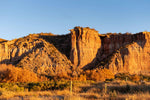
 I snagged a primitive campsite deep in the Hackberry area. The red dirt there stains everything it touches, from boots to tent floors to the bottom of your coffee mug. Setting up camp felt like dropping onto another planet. Towering claystone walls sealed off the horizon, streaked in layers of rust and cream that looked like they’d been painted by a giant with a heavy hand. I staked the tent, tossed my sleeping pad inside, and fired up the charcoal grill.
Dinner that first night was a thick ribeye seared hard, eaten straight off a metal plate with a pocket knife because I’d forgotten a fork. Washed it down with lukewarm beer and watched the cliffs bleed from orange to deep purple as the sun dropped behind the rim. A roadrunner skittered through the site, unbothered. For a few hours, the world felt simple. I sat there until the last glow faded and the stars came out hard and sharp, the kind of sky you only get when there isn’t a town for miles in any direction. The quiet wasn’t empty. It was full of small sounds I was too tired to identify. Leaves rustled with unseen critters, and a great horned owl let out a low, resonant hoot that echoed off the canyon rim.
Morning came fast and hot. I tackled the CCC Trail early, a brutal climb that claws its way up the canyon side with loose rock and zero shade. The park brochure warns that summer temperatures on the canyon floor can run 10 to 15 degrees hotter than up on the rim, and that’s not marketing fluff. By mile two, my shirt was soaked through and my water bladder felt far too light. I rationed on the way down, took the switchbacks slow, and made it back to camp with legs that felt like wet rope. That afternoon, I did absolutely nothing productive. Just lay flat under a juniper tree, sipping warm electrolyte water and listening to the wind work its way through the mesquite.
A pair of turkey vultures circled overhead for a while, riding thermals I couldn’t feel from the ground. This rugged canyon country doesn’t coddle you, it humbles you, forcing you to slow down and embrace raw, unfiltered wilderness living. I watched a collared lizard do push-ups on a sun-baked rock near my boot, its turquoise throat flashing like a tiny neon sign. Out here, time isn’t measured by a clock but by the slow crawl of shade across the canyon floor.
As the light faded, I cooked a pouch of instant rice and black beans and settled into my chair. That’s when the canyon shifted. The wind died completely, and the silence that followed was the heavy kind, the kind that makes every small sound feel amplified. The vast enclosed canyon terrain creates a unique acoustic effect, where every rustle and movement travels farther, making solo nighttime camping feel far more immersive and intense. A pack of coyotes kicked off their nightly serenade just after dusk, yips and howls ricocheting off the canyon walls in a layered, chaotic symphony.
It’s an ancient sound that’ll spook you and thrill you in the same breath. Earlier, I’d noticed fresh javelina dig marks near the creek bed and the camp host had mentioned a bobcat sighting. In an outdoor setting like Palo Duro, a solo campsite shrinks to the firelight after dark, and everything beyond is guesswork.The LETWESAF camping perimeter alarm cuts through that guesswork. I walked the perimeter, staked the sensors facing the brush, and powered them up using a compact solar panel I keep in my kit.I walked the perimeter, staked out my minor safety accessories, and settled in for a peaceful night under the canyon’s starry sky, confident in my outdoor safety setup.
On my last morning, I broke camp slowly. Folded the tent, drained the last of my coffee, and stood there staring at the canyon wall as it caught the first sunlight. I took my time rolling the sleeping bag and strapping gear to the truck, letting the morning cool hang on just a little longer before the heat climbed back in. I threw a few chunks of mesquite on the last embers, letting that sweet, heavy smoke drift through camp one final time. That smell is the Texas Panhandle in a bottle, and I wanted it soaked into my shirt for the long drive home.


