

Pine Winds and Strait Sunsets: A San Juan Islands Camping Getaway
, by OFFICIALLETWESAF, 5 min reading time
, by OFFICIALLETWESAF, 5 min reading time
Ferry tires thudded against the San Juan Island dock at 9 a.m. sharp, and I breathed in the sharp salt tang the second I rolled my bike down the ramp.
 I’d booked three days of coastal mountain biking and walk-in camping at the west headland site, chasing bald eagle sightings and sunset views over the Strait of Juan de Fuca.
 I stuffed my standard island camping gear into my pack, including a waterproof tent, bike repair kit, bear canister and binoculars, and tossed my LETWESAF camping perimeter alarm in the top pocket on a friend’s recommendation.
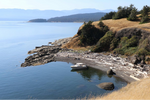
The west headland campsite was everything I’d hoped for. Tucked into a grove of shore pine, it sat 20 yards back from a rocky bluff overlooking the strait, with unobstructed views west toward Vancouver Island. Berry bushes lined the perimeter of the site, and I spotted a bald eagle perched on a dead pine top within five minutes of pulling up.
I spent the rest of the day biking the coastal trail, stopping at rocky coves to watch harbor seals sun themselves on exposed rocks. By golden hour, the sky bleeded soft lavender and tangerine, painting the strait so bright it looked like someone had spilled liquid copper across the water. I cooked a freeze-dried chili dinner at my picnic table and watched the sun dip below the island horizon, no other campers in sight.
I learned just how bold those island raccoons were on my first night. I’d left a half-eaten packet of energy chews on the picnic table edge, figuring the sealed wrapper would be fine. I woke up at 1:30 a.m. to the sound of crinkling plastic and tiny paws scrabbling on wood.
I flipped on my headlamp and leaned out the tent door to see two raccoons dart off into the berry bushes, my chew packet torn open and crumbs scattered across the table. They’d also knocked over my binoculars case, scratching the lens cap. I spent the rest of the night half-asleep, jolting awake every time the wind rustled the pine branches or a twig snapped in the bushes.
I also knew casual hikers sometimes wandered off the nearby trail after dark, disoriented by the lack of street lights on the headland. By 7 a.m. I was already up, groggy and irritable, and I bailed on my planned early-morning orca watching trip to nap in the tent. I’d ridden two hours and waited for a ferry just to get there, and I was wasting the best part of the day being tired.
By mid-afternoon I was sitting on the bluff drinking iced coffee, rubbing the sleep out of my eyes, when I remembered the alarm I’d stuffed in my pack. I pulled the LETWESAF camping perimeter alarm unit out, mounted it on a thick shore pine trunk at the edge of my campsite, and angled it to cover the half-mile stretch of trail and berry bushes where wildlife and stray hikers would approach from.
The setup involved no complicated menus, and there was no need to string cords between trees. All I had to do was secure the unit, dial in the angle, and power it on to finish pairing. Night fell over the strait shortly after.I made pasta for dinner, wiped down the table thoroughly, and stowed every last scented item in the bear locker before climbing into the tent.
I fell asleep almost instantly, and didn’t wake up until the alarm let out a soft, steady beep a little after midnight. I grabbed my headlamp and shined it toward the trail. A black-tailed deer was ambling along the path edge, still 30 yards out from my campsite.
It paused, lifted its head, and turned back into the trees before it ever got close to my site. The alarm went off one more time around 3 a.m. for the same pair of raccoons, circling the berry bushes far outside my campsite perimeter. I flicked my headlamp on for two seconds, and they bolted immediately.
I didn’t have to climb out of the tent, didn’t have to yell or throw anything, didn’t have to lie awake for an hour waiting for them to come back. I rolled over and was asleep again in 60 seconds. I slept straight through until sunrise, and woke up rested enough to catch the 7 a.m. orca pod passing the bluff.
I walked away from this trip with a handful of solid tips for anyone camping on the San Juan Islands. First, lock every scented item in a designated bear locker or your locked vehicle overnight, including food, lip balm, energy chews and even scented hand lotion. National Park Service rangers note that island raccoons have learned to chew through plastic containers and zippers to get to food, so sealed bags aren’t enough.
Second, pick a campsite set back at least 20 yards from the main trail, to cut down on disoriented hikers wandering into your site after dark. Third, never leave gear like binoculars or bike helmets on your picnic table overnight. Curious raccoons will knock them over trying to sniff out food residue. Finally, set up any safety gear before the sun goes down, so you’re not fumbling with equipment in the dark on uneven, root-covered ground.
By Sunday morning I was loading my bike back onto the ferry. The San Juan Islands have this quiet, wild magic to them, with pine wind, salt air and wildlife around every bend. It’s so much better when you’re well rested enough to actually enjoy all of it.
Having my LETWESAF with me took one constant, low-grade stress off my plate for the whole trip. Good outdoor gear doesn’t need to be fancy or complicated. It just needs to work reliably when you need it, so you can spend less time worrying about your campsite and more time exploring the trails, coastlines, and quiet corners of the natural world.
That’s the whole point of heading outside, after all. What’s the most unexpected wildlife visitor you’ve had at an island campsite? Drop your stories and go-to tricks in the comments below.
*Sources
National Park Service. San Juan Islands National Monument Camping & Wildlife Safety Guidelines. https://www.nps.gov/sajh/planyourvisit/camping.htm

