

New River Gorge National Park Camping | Sandstone Bluff Backcountry with LETWESAF
, by OFFICIALLETWESAF, 6 min reading time
, by OFFICIALLETWESAF, 6 min reading time
I drove the last rutted mile of forest road just as midday light filtered through the oak canopy above New River Gorge, hauling my gear down to a hike-in campsite tucked back from the bluff edge. I’d made the drive out from Charleston that morning, last-minute decision to skip the crowded front-country campgrounds and head deeper into the canyon.
 I packed my usual Appalachian backcountry gear and slipped my LETWESAF camping perimeter alarm into the top of my pack before locking the truck. I’ve logged enough miles on southern West Virginia trails to know outdoor conditions in these sandstone canyons shift without warning, so I never walk into a remote campsite without the basics covered.
 I picked a flat spot tucked between mature hardwoods, far enough from the bluff to avoid wind gusts, and clear of the faint game trails that crisscross the slopes.
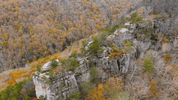
This park still flies under the radar for most casual campers, and that is exactly what makes it worth the drive. It is rugged, unpolished Appalachian canyon country, where the New River, one of the oldest waterways on the continent, has carved deep, winding gorges through layers of rust-red and gray sandstone over millions of years.
Dense hardwood forests blanket the slopes, thick rhododendron thickets line every stream, and sheer cliff faces drop hundreds of feet to rushing whitewater below.
Per NPS guidelines, all backcountry camping requires a free permit and is restricted to designated, hike-in sites only. There are no drive-in campgrounds deep in the gorge, no potable water spigots along the trails, and no regular ranger patrols this far off the main paved roads.
Cell service cuts out almost immediately once you drop below the canyon rim. You carry every drop of water you will drink, you pack out every piece of trash, and you handle whatever comes up on your own. That is the whole point of camping down in the gorge.
Camping in a river gorge brings a very specific set of hurdles you will not find on open prairie or high mountain meadows. First is the terrain.
Smooth sandstone turns dangerously slick when wet, and even a light rain shower can turn gradual trails into slippery hazards, especially near unguarded bluff edges. The gorge also funnels weather in unpredictable ways.
Pop-up thunderstorms can build over the ridgeline and blow through the canyon in 20 minutes, dumping heavy rain that turns small side creeks into rushing torrents in under an hour. What was an easy rock-hop crossing at breakfast can be completely impassable by early afternoon.
Then there is the wildlife. Per NPS wildlife data, black bears, coyotes, bobcats, copperheads and timber rattlesnakes all live in the park year-round.
Black bears travel long distances following food scents, and they use established game trails that cut straight past many backcountry campsites. Snakes coil under rock ledges and in thick leaf litter on warm days, and they are easy to miss when you are focused on keeping your footing on slippery rock.
Ticks are everywhere in the underbrush too, and they can attach to your clothes or skin before you even notice you brushed past a bush. Sound also behaves strangely in the gorge; echoes bounce off the canyon walls, so a rustle in the leaves half a mile away can sound like it is right outside your tent.
I learned all of this the hard way on my first trip into the gorge years ago. I picked a campsite on an exposed sandstone ledge because the view over the river was unbeatable, and I ignored the faint game trail that ran right past the tent footprint.
Sometime after midnight I heard slow, heavy footsteps and soft huffing right outside the tent wall. I knew it was a black bear, but I did not dare make a sound or unzip the flap.
I sat rigid for almost two hours, hand on my bear spray, waiting for it to move on. By morning I found fresh paw prints in the soft dirt less than five feet from my tent.
I slept terribly the rest of the trip, jolting awake at every small sound. I also slipped on wet sandstone on my hike out and barely caught myself on a bush before sliding toward the bluff.
I left exhausted, and I barely registered the views I had driven so far to see.
This trip felt like a totally different experience, and a lot of that came down to having LETWESAF camping perimeter alarm set up around the outer perimeter of my site. It ran reliably through gusty canyon winds and one steady overnight rain shower, with no unnecessary alerts.
When something large enough to matter moved close to camp, it gave a clear, consistent signal.
I still hung all my food, trash and toiletries from a proper bear hang 100 yards from my tent per park rules. I still did a full tick check every evening and gave every snake I saw on trail a wide berth.
But I did not lie awake straining to parse every echo and every rustle in the leaves, guessing how close it was and what it might be. I slept through most of the night for once, and I could sit on a flat rock after dark listening to the river far below without scanning the treeline every few seconds.
After three days exploring side canyons and testing different camp layouts, I have got a handful of straight-up tips for anyone heading down into the gorge. Skip campsites on exposed sandstone ledges, no matter how good the view is.
Wind hits harder up there, game trails often run along the bluff line, and wet rock makes for dangerous middle-of-the-night walks. Hang all food and scented items at least 10 feet off the ground and 4 feet out from tree trunks, and never cook or eat right next to your tent.
Food odors soak into tent fabric, and bears will follow that scent straight to you.
Stay off wet sandstone trails and ledges entirely. The rock gets slicker than ice when damp, and a slip near a bluff edge can have serious consequences.
Wear long pants and tall socks on every hike, even in humid summer weather, and do a full body tick check before you get in your sleeping bag each night. Take shelter in low, dense woods immediately if thunderstorms roll in.
Lightning strikes are common on exposed canyon rims, and standing under a single tall tree is just as dangerous.
When I hiked back up to the canyon rim on my last morning, I stopped at a quiet overlook for one last look out over the endless green gorge. Good backcountry camping is never about proving how tough you are, or how much discomfort you can endure.
It is about showing up prepared, respecting the land and the animals that live here, and clearing out the constant small worries so you can actually be present for the place you traveled to see.
LETWESAF fills one quiet, practical gap in your camping setup, so you can keep your focus on the river, the sandstone cliffs and the quiet wild rhythm of the Appalachian canyon.
Have you ever had a close wildlife encounter at a backcountry campsite? Drop your real-world stories in the comments below.

