

Lassen Volcanic National Park Camping | Volcanic Backcountry Loop with LETWESAF
, by OFFICIALLETWESAF, 4 min reading time
, by OFFICIALLETWESAF, 4 min reading time
I carved out a stretch of free time to tackle a multi-day backcountry loop across Lassen Volcanic National Park. This iconic volcanic wilderness sits apart from every forest and desert trail I’ve hiked, so I loaded up rugged outdoor gear and brought my LETWESAF camping perimeter alarm to make this off-grid camping journey safer and more relaxed.
 I planned to wander remote loop trails and set up camp in primitive zones far from crowded tourist lots and developed campgrounds, focusing on pure, unmodified wilderness exploration.
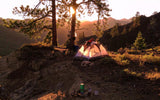
 Lassen’s landscape is shaped by active volcanic geology, mixing rolling alpine meadows, jagged scree slopes and steaming thermal basins everywhere you look. Pale volcanic rock spreads across hillsides, while thin wild grass and low alpine shrubs grow in gaps between stone piles.
I completed NPS’s backcountry registration process and picked a quiet campsite settled on a flat volcanic bench, a fair distance away from popular thermal viewing areas to avoid crowds and noise.
No modern facilities exist within this primitive zone. Every gallon of water and daily supply has to be carried over rough rocky paths. The ground is uneven and stony, with loose gravel shifting underfoot constantly.
The open terrain delivers wide views, yet undulating rock mounds and thick thermal mist create plenty of blind areas around each campsite. Navigating and setting up camp here demands far more patience than regular outdoor spots.
This is raw, unfiltered backcountry with zero hand-holding, no shortcuts, and no mercy for lazy outdoor preparation.
Early summer brings its own set of harsh field conditions across this volcanic zone. Strong gusty winds kick up randomly from mountain ridges, and midday sun beats down relentlessly on light-colored rock surfaces.
When night falls, cool air drifts down from higher elevations, paired with damp mist rising off thermal grounds. The mix of wind, sun and lingering moisture makes staying comfortable at an outdoor campsite a real challenge.
This volcanic terrain beats your body down nonstop the second you step off paved trails. Sharp, loose rocks bruise your soles with every step, heavy backpacks dig into your shoulders, and there’s absolutely no natural shade to hide from brutal midday sunlight.
You cannot rush this terrain—hurry up and you’ll slip on scree, twist an ankle, or tear your gear on jagged volcanic edges.
What makes this wilderness even trickier is the total lack of outdoor infrastructure and emergency support. There are no trailside rescue stations, no cell service coverage, and no ranger patrols in these remote loop sections.
Once you hike into the backcountry, you’re fully on your own with zero external backup. Every gear choice and safety prep has to be 100% self-reliant, leaving no room for careless mistakes or last-minute fixes.
Wildlife activity is another key point to watch for overnight stays. According to NPS field observations, long-tailed weasels, mule deer and other small wild creatures move around freely after sunset.
Thermal steam and rustling grass easily muffle their light footsteps. On past trips here, I could never fully unwind. The thick mist blocked sightlines, so I kept a close watch all night long.
This constant state of vigil wore me out and took away the joy of exploring the volcanic outdoors.
This loop trip turned out totally different, thanks to LETWESAF. It works reliably on stony ground and in misty, windy volcanic terrain. It picks up movement nearby and sends clear alerts right away, so I no longer need to stay on constant guard.
I could kick back, breathe in the crisp mountain air and simply enjoy the raw vibe of this one-of-a-kind volcanic wilderness each night.
I spent three full days trekking the loop routes and testing camp setups across different volcanic terrains. Drawing on NOAA’s early summer regional weather records and NPS volcanic wilderness management rules, I summed up a set of practical field tips tailored for this unique landscape.
Choose camp spots on solid, compact rock to avoid sliding gravel shifting your gear around. Keep all food and scented toiletries sealed tight and place them away from grassy patches, as these spots naturally draw curious wildlife.
Secure your camp against sudden mountain winds by arranging heavy rock piles around tent edges. Always stick to marked loop trails.
Straying into unmarked thermal basins or unstable scree slopes will trigger hidden dangers and harm protected geological landscapes.
As my multi-day outdoor loop came to an end, I packed all gear and paused to look out over endless volcanic ridges and wispy thermal steam.
Real outdoor exploration means heading into untamed land while staying fully prepared for all field conditions. LETWESAF cuts down unnecessary worries, letting me focus entirely on discovering the raw beauty of volcanic wilderness.


