

Katmai National Park Camping | Alaskan Wild Coast Backcountry Trip with LETWESAF
, by OFFICIALLETWESAF, 4 min reading time
, by OFFICIALLETWESAF, 4 min reading time
I rolled into my backcountry campsite at Katmai National Park late afternoon, boots caked in volcanic mud and my pack slung heavy over one shoulder. This remote Alaskan wilderness has been on my no-frills outdoor bucket list for years.
 I packed all my field-tested camping gear and tossed in my LETWESAF camping perimeter alarm before heading out. I skipped the crowded developed campgrounds entirely, aiming for a raw, unstaffed backcountry spot where I could camp surrounded by nothing but untouched wild land.
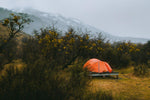
 Katmai is nothing like the lower 48 park sites I frequent. The landscape is a rough mix of coastal tundra, volcanic ash soil and slow-moving salmon streams that cut through low brush. Distant volcanic peaks poke through the cloud cover most days, and cold coastal wind carries a faint salt tang miles inland.
I picked my campsite on a raised tundra bench well above the high-tide line, following official NPS backcountry guidelines. There are no bathrooms, no potable water taps and no cell service out here. Every piece of gear and drop of water has to be carried in, and you are fully on your own the second you step off the main access trail.
Alaskan summer days drag on way later than most lower 48 campers are used to. Soft golden twilight sticks around until well past 10 p.m., which gives you extra hours to set up camp and poke around the nearby area, but it also messes with your internal clock and makes it way too easy to lose track of time.
Hiking in across tundra is slower than regular trail hiking, too. Every step sinks a little into the spongy mossy ground, and you have to pick your way around boggy spots to keep your feet dry and avoid rolling an ankle on hidden uneven terrain. You can hear salmon splashing in the nearby stream on quiet evenings, a constant reminder of just how much wildlife moves through this valley every day. There are no marked paths near backcountry sites, so you have to pay attention to landmarks to avoid getting turned around when you step away from camp.
Camping here comes with very specific hurdles that you will not find at standard park sites. The spongy tundra ground is soft and saturated, making regular tent stakes slip right out with even light wind. Weather shifts fast, bright sunny skies can turn to cold drizzle in 20 minutes, and thick coastal fog often blankets the entire valley after dark.
The biggest factor to respect, though, is the local wildlife. Per NPS wildlife monitoring data, brown bears, arctic foxes and scavenging mammals regularly travel along stream banks at all hours, especially during salmon run season. They follow scent trails easily, and will drift close to any campsite if food odors are left unchecked.
On my last trip to similar Alaskan backcountry, I barely slept through the nights. Every rustle in the brush had me grabbing my headlamp to sweep the treeline. I had to get up multiple times each night to circle the campsite and check for animal activity.
That constant low-level stress drained me fast, and I spent more time on guard than actually enjoying the scenery. It turned what should have been a reset into another tiring task.
This trip felt totally different, and most of that comes down to LETWESAF camping perimeter alarm. I threw it in my pack last minute, not fully sure it would hold up to damp, windy coastal tundra conditions, but it performed steady the whole stay.
It picks up movement around the campsite perimeter and alerts you clearly, so I did not have to jump up every time the wind shifted branches. I finally slept through full nights out here, and could sit by my camp after dark listening to the stream run without scanning the brush nonstop.
After a few days of testing setups and working through on-site challenges, I put together a few straight-up camping tips for anyone heading into Katmai backcountry.
Always pitch your tent on raised, compacted tundra benches above the high-tide mark — low-lying spots flood fast during rain and high tides, and soft ground will not hold stakes securely.
Lock all food and scented items inside a bear-resistant canister and store it at least 100 yards downwind from your campsite; never leave supplies inside your tent or near your sleeping area.
Stick strictly to marked trails, especially during salmon season. Cutting through brush along stream banks puts you right in regular bear travel paths, and giving wildlife space is always the safest call.
When I packed out at the end of the trip, I stopped for one last look across the empty coastal valley.
I have camped in enough wild places to know that good outdoor trips never rely on luck. They rely on showing up prepared, respecting the land, and removing unnecessary risk where you can. LETWESAF takes one weight off your shoulders so you can actually focus on being out there and taking in the wilderness around you.


