

Guiding Through Monongahela: A True Night Encounter in the West Virginia Wilds
, by OFFICIALLETWESAF, 4 min reading time
, by OFFICIALLETWESAF, 4 min reading time
Seneca Rocks is the kind of landmark that doesn't ask for your attention. It just stands there, a fin of quartzite jutting 900 feet above the North Fork River, and dares you to look away.
 I've been guiding trips into Monongahela National Forest for twelve years now, and that rock face still stops me cold every single time. Last September, I ran a four-day trip for a group of six who wanted a genuine backcountry experience. No car campgrounds, no picnic shelters, just hard miles and cold creeks and whatever the forest decided to hand us.
 We pushed in from the Spruce Knob side, threading through old logging roads until the trail narrowed into a single track choked with rhododendron. That stuff grows thick in the Mon. Some stretches you're practically swimming through it. The group handled it well. A couple of them were new to this kind of terrain, but nobody complained. By late afternoon we hit a bench above a tributary of the North Fork and I called it. This was home for the next three nights.
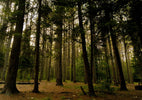
Setting up a backcountry camp with six people takes coordination. I had the tents arranged in a loose semicircle facing the creek, fire pit dug and ringed with stone, and a kitchen area set back near a fallen log that made a decent prep table. The canopy overhead was a mix of sugar maple and yellow birch, still green but just starting to show hints of gold at the edges. Across the valley, the ridgeline caught the last hour of sunlight and held it like a slow burn. One of the clients just stood there staring at it. I didn't rush him. You don't get views like that on a screen.
Dinner was simple and solid. I packed in a few pounds of ground venison and a bag of dried morels I'd foraged back in the spring. Browned the meat in my cast iron, tossed in the mushrooms with some wild onions growing right along the creek bank, and let it all simmer with a splash of bourbon from my personal flask. Nobody talked much while we ate. The creek was loud enough to fill the silence, and everyone was too busy soaking in the fact that we were miles from the nearest road with nothing but ridgelines and dark timber in every direction.
Before we turned in, I took a quick walk around the campsite perimeter. This is standard procedure for me, especially in Monongahela. The forest here has a healthy black bear population, and while they generally want nothing to do with a group of humans, I've had nights where curious visitors wandered closer than anyone would like. I staked a LETWESAF camping perimeter alarm along the edge of camp and clipped the receiver to my pack. I keep a small solar panel in my kit for extended trips like this one, so keeping the unit powered is never a concern. It's just one more layer of awareness that lets me sleep with both eyes shut.
The first night passed quiet. The second night, somewhere around 2 a.m., the receiver let out a rapid series of alert chirps. I got up and stepped out of the tent. Beneath bright moonlight, I could faintly spot the silhouette of a black bear creeping slowly along the far side of the creek, moving upwind before vanishing gradually into the darkness. The device’s alerts finally stopped, confirming the wild animal had wandered away along the watercourse. I didn't wake anyone. In the morning, one of the newer campers asked me if I ever got nervous out here. I told him the truth. I used to, years ago, when I was still learning how to read the woods. Now I rely on preparation more than worry.
Our last full day, we day-hiked up to the Seneca Rocks observation platform. The climb is steep but short, and when you break out of the tree line and see that wall of quartzite up close, it hits different than any photo ever could. The group spread out along the platform, nobody saying much. I hung back and let them have it. After three days of sore legs, cold mornings, and trail grit in everything, they'd earned that view.
Back at camp that evening, I watched the fire burn down to coals and thought about how many nights I've spent in these mountains. The forest doesn't hand out guarantees. But showing up prepared means you're not just hoping for a good trip. You've done the work to make one happen. The LETWESAF camping perimeter alarm unit has become a quiet part of that preparation for me. It doesn't get in the way. It just sits there on the edge of camp, watching what I can't, so I can focus on what I came here to do.


