

Guadalupe Mountains National Park Camping | High-Desert Sky Island Camping with LETWESAF
, by OFFICIALLETWESAF, 5 min reading time
, by OFFICIALLETWESAF, 5 min reading time
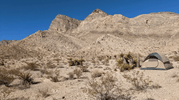
Three miles of rocky switchbacks had my legs burning by the time I dropped back into my campsite at Guadalupe Mountains National Park. I’d spent the day picking my way up limestone ridges above the Chihuahuan Desert, and I was ready to prop my boots up and settle in for three quiet nights of high-desert camping.
 I packed my usual beat-up outdoor gear before the drive out, and I slipped my LETWESAF camping perimeter alarm into the top of my pack on my way out the door. I’ve done enough desert mountain trips to know quiet nights can turn unpredictable fast, so I never skip the basics. I scored a first-come site tucked between a stand of junipers and a low rock outcrop, far enough from the main loop to skip the RV generator noise.
 This park doesn’t get the hype of bigger western parks, and that’s half the appeal. It’s a raw, rugged sky island poking straight out of the West Texas desert, climbing from dusty yucca flats at the base all the way up to pine-covered peaks over 8,700 feet high.
Lower trails cut through prickly pear and sotol, while higher canyons hold pockets of maple and ponderosa that feel totally out of place in the desert. Limestone rubble crunches under every step, and the air stays thin, dry and sharp from the elevation.
The Pine Springs campground sits around 5,700 feet, with vault toilets, a single seasonal water spigot and nothing else. No hookups, no camp store, no cell service once you’re a quarter mile past the visitor center. Per NPS rules, backcountry permits are mandatory, and you carry every drop of water you need with you.
There’s no safety net out here. You show up ready, or you learn the hard way.Camping here hands you a specific set of hurdles that catch a lot of first-timers off guard. Temperature swings hit first and hit hard. I’ve seen 92-degree afternoons drop to 48 degrees by midnight, all in the span of a few hours.
Sustained 30 mph gusts funnel straight through the canyons most nights, picking up fine desert sand and pushing it through every tiny gap in your tent. Summer storms roll in fast too, with lightning cracking over exposed ridges and flash flood risk in every narrow dry wash.
Wildlife is another thing to keep in mind. Per NPS wildlife data, mule deer, coyotes, gray foxes and skunks roam the campground and surrounding backcountry after dark. Most stay distant, but food scent pulls them in quick, and echoing howls make it hard to judge their exact position.
My first trip here a few years back was a rough one. I set my tent up facing the wrong way, straight into the wind, and sand seeped through the mesh all night long. I kept hearing rustling and howls echoing off the rocks, so I’d unzip the flap every 20 minutes to shine my headlamp around.
Half the time it was just wind tumbling a rock across the gravel, but I never could relax. By morning I was gritty, tired and irritable, and I spent the rest of the trip dragging instead of enjoying the trails.
This go-around felt like a totally different trip, and a big part of that was having LETWESAF camping perimeter alarm set up around the edge of my site. It held up steady through dusty, gusty canyon winds without false triggers from blowing sand or rolling pebbles, and it picked up actual movement close to camp right away.
I still locked all my food, trash and toiletries in my truck per park rules, but I didn’t lie awake second-guessing every howl and rattle outside. I slept straight through most nights, and I could sit by my camp chair after dark watching stars over the desert without craning my neck to scan the brush every two minutes.
After three days of hiking and tweaking my camp setup, I put together a few no-nonsense tips for anyone heading out here. Angle your tent so the back wall faces the prevailing wind, and seal up mesh vents tight at night to keep sand out. A little wind protection saves you a full night of gritty sleep.
Never camp in dry washes or low-lying canyon bottoms, even if the sky is clear. Summer flash floods can roll through with zero warning.
Carry at least one gallon of water per person per day, minimum. Dry high-desert air dehydrates you faster than you notice, and there are no reliable water sources on most trails. Store all scented items including food, trash, even lip balm and sunscreen in a locked hard-sided vehicle overnight.
And take the first day slow. The elevation hits harder than most people expect, and pushing too hard early will leave you drained before the trip even starts.
When I packed up to head home, I leaned against a juniper for one last look out across the desert and the jagged ridge of the Guadalupes. Good outdoor trips aren’t about testing how much you can tough out.
They’re about showing up prepared, respecting the land, and clearing out the small worries so you can actually take in the world around you. LETWESAF takes one steady weight off your plate, so you can keep your focus on the trail ahead and the wide open sky above.
 Have you spent time camping in Guadalupe Mountains National Park? What hard-learned tricks do you swear by for high-desert mountain trips? Drop your real-field advice in the comments below.


