

Exploring Lake Mead with LETWESAF: A Desert Lake Camping Journal
, by OFFICIALLETWESAF, 5 min reading time
, by OFFICIALLETWESAF, 5 min reading time
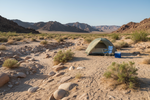
I’m sitting cross-legged on the warm sand, watching the last streaks of orange and purple bleed into the desert sky as the sun dips behind the jagged Mojave mountains surrounding Lake Mead. This is my third night at Government Wash, a remote dispersed camping area in Lake Mead National Recreation Area. I’ve got my trusty LETWESAF camping perimeter alarm set up just beyond my tent’s rainfly. It brings simple peace of mind for a solo camper in this vast, beautiful, and sometimes unpredictable landscape.
Lake Mead National Recreation Area stretches across 1.5 million acres of Nevada and Arizona, encompassing two massive man-made lakes formed by the Hoover Dam and Davis Dam. As America’s first and largest national recreation area, it offers a stark contrast to the crowded city lights of nearby Las Vegas, just 30 miles away. I deliberately chose Government Wash for its seclusion. No RV hookups or flush toilets can be found here. There is only wide-open desert shoreline where the Colorado River meets Lake Mead’s blue waters.
The desert environment here is a study in extremes. Daytime temperatures soar to 100°F by midday in late May, baking the sand and rock formations that line the shore. The sun beats down relentlessly, turning my tent into an oven by 10 a.m. if I don’t set up my reflective sunshade properly. But by sunset, the mercury plummets, dropping 30-40°F by midnight, leaving me huddled in my sleeping bag listening to the wind whistle through the creosote bushes.
The lake itself is a stunning shade of turquoise, its surface rippling with gentle waves that lap against the shore. I’ve spent my days exploring the rocky coves by kayak, spotting bighorn sheep grazing on distant hillsides and pelicans diving for fish in the shallows. The water level is noticeably low this year, revealing white mineral deposits along the exposed shoreline. These marks stand as silent reminders of the region’s ongoing drought.
Despite its beauty, Lake Mead presents unique camping challenges that demand respect and preparation. The National Park Service warns that this area sees more fatalities annually than any other national park unit. Most accidents stem from water incidents and extreme heat. As a solo camper, I take extra precautions. I carry two gallons of water per day, double the NPS recommendation. I avoid hiking during the midday heat, and keep my campsite meticulously clean.
The most unsettling challenge comes after dark. The desert night is pitch black, with no ambient light pollution to soften the darkness. Coyotes howl in the distance, their eerie calls echoing across the water. More concerning are the smaller visitors. Desert rodents, snakes, and the occasional curious coyote get drawn to the scent of food. The dense brush and uneven terrain make it impossible to see more than a few feet with my headlamp. Blind spots around the site always trigger my natural caution as a solo traveler.
Wild animals stay active all night long in this area. Coyotes often wander close to human campsites in search of food. Thanks to LETWESAF camping perimeter alarm, I received an early alert before these creatures drew near my resting area. I stayed fully aware of the surrounding movements throughout the night and never felt uneasy during my rest. Reliable support like this makes a huge difference for anyone camping alone in remote desert zones.
During the day, I follow strict wildlife safety protocols recommended by the NPS. All food, trash, and scented items go into airtight containers stored in my locked vehicle overnight. I never leave these supplies on the ground or in the tent. I cook only with a portable stove because campfires are restricted in most backcountry areas. I pack out every scrap of waste, including food scraps and toilet paper. These practices are not just about personal safety. They help preserve this fragile desert ecosystem for future visitors.
One afternoon, I ventured to the historic Hoover Dam, marveling at the engineering feat that created this oasis in the desert. But I was eager to return to my quiet campsite, where the only sounds were the wind, waves, and the occasional bird call. There’s something profoundly peaceful about being so far removed from civilization. I rely entirely on my own preparation and awareness to stay safe and comfortable.
As my trip draws to a close, I reflect on what makes desert camping so rewarding. It’s not just the stunning landscapes or the sense of adventure. It’s the deep connection to nature that comes from respecting its power and preparing accordingly.
True outdoor exploration isn’t about reckless adventure. It’s about balancing courage with caution, curiosity with respect. When we equip ourselves properly and understand the environments we enter, we open ourselves to experiences that nourish the soul and create memories that last a lifetime.
LETWESAF fits seamlessly into this philosophy, designed for outdoor lovers who crave both adventure and peace of mind. It’s more than a product. It’s a partner that lets you focus on the beauty of the wild while staying safely connected to your surroundings.


