

Devils Tower National Monument Camping | My Outdoor Trip with LETWESAF
, by OFFICIALLETWESAF, 4 min reading time
, by OFFICIALLETWESAF, 4 min reading time
Whenever I get free days away from daily chores, I prioritize rough backcountry road trips, and this round’s destination landed on Wyoming’s Devils Tower National Monument. Before hitting the highway, I packed up all my rugged outdoor supplies and tossed my LETWESAF camping perimeter alarm into the gear bag to safeguard my overnight campsite throughout the whole stay.
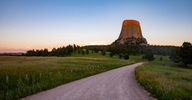
 This highland wilderness differs drastically from lakeside and woodland camping spots I’ve documented in previous outdoor logs. Dominated by parched prairie spread as far as eyesight reaches, the landmark volcanic monolith juts abruptly from the flat grassland, forming a one-of-a-kind wild landscape. It’s always my top pick when I want to skip crowded commercial campgrounds and chase raw, unrefined outdoor fun.
 I picked an unimproved primitive campsite authorized by NPS, sitting a short walking distance away from the giant rock formation’s base. The ground across the campsite mixes jagged volcanic rubble, cracked arid topsoil and clumps of drought-resistant sagebrush spreading randomly across open ground.
No running water spigots or paved parking pads exist within the surrounding area, only bumpy dirt trails winding through endless prairie shrubs. Strong crosswinds sweep across the plain nonstop from sunrise till sundown, swirling fine dry dust around the towering stone pillar.
This highland prairie environment is unforgiving for casual campers. Intense daytime sunlight scorches the open ground with zero shade coverage, and the drastic temperature drop after sunset catches most unprepared outdoor travelers off guard. There are no man-made shelters to rely on, forcing campers to fully adapt to the raw and harsh wild conditions.
During daytime hours, I wandered along marked park trails to sight free-roaming pronghorn roaming across open grassland. I followed every official NPS environmental protection regulation to avoid trampling protected native prairie plants. The boundless open terrain paired with the towering natural monument delivers unmatched wild charm, making every second spent out in the outdoor space authentic and down-to-earth.
Even with incredible natural scenery surrounding the campsite, every regular visitor to this zone knows a persistent camping hassle plagues overnight stays here. Official wildlife advisories released by NPS point out coyotes, striped skunks and opportunistic raccoons frequently wander near remote campsites once darkness creeps in.
These wild creatures are easily drawn by residual food odors and scented personal care items kept inside tent storage. Low-growing sage bushes scatter all around each campsite and create countless unseen blind corners. Uninterrupted prairie gusts roar across flat ground and muffle every faint rustle made by creeping wild animals.
I strictly lock all edible goods and aromatic toiletries inside airtight storage containers as park rules require. Yet past camping visits left me tossing and turning late into each night. I repeatedly popped my head out of the tent to scan shadowy shrubbery, unable to unwind and fully enjoy quiet downtime at my campsite.
Everything shifted for the better on this trip, all thanks to LETWESAF. It delivers timely alerts when coyotes approach the campsite, allowing me ample time to respond and prepare. It works stably even in remote, dark, off-grid areas with no cellular network coverage.
After sunset, I no longer needed to stay hyper-vigilant listening for hidden movement lurking within nearby bushes. I pulled up a folding chair outside my tent, sipped steaming warm beverage and admired dense star clusters blanketing Wyoming’s vast night sky. I finally got to relax without unnecessary stress amid my Devils Tower camping journey.
After spending two full days exploring local trails and testing out campsite setups on dry prairie ground, I sorted out several field-verified practical pointers tailored specifically for this highland camping terrain.
Ground stability is the top priority for local camping. Loose topsoil and persistent prairie winds render standard tent stakes ineffective, so heavy-duty extended stakes driven into solid subsoil are a must. All scented goods and food should be stored in wildlife-proof containers and placed far from tents to avoid attracting wild animals.
Campers must stay strictly on official park trails. Off-trail travel damages fragile prairie ecology and violates NPS wilderness regulations. Following these key camping rules effectively avoids common field risks and ensures a safe, smooth wild camping experience.
As my outdoor adventure drew to a close, I folded down camping equipment and took a final lingering glance at the iconic stone spire rising above endless prairie grass. Venturing into untamed wilderness stands as the core pleasure of all outdoor and camping adventures.
Thoughtful pre-trip preparation turns unpredictable rough terrain exploration into pleasant lasting memories. LETWESAF has earned a fixed permanent spot inside my camping pack for every upcoming outdoor trip to unfamiliar wild locations. It cuts down meaningless nighttime worries so I can pour all my attention into discovering and appreciating nature’s unique beauty.


