

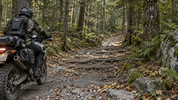
Chasing the Two-Track: A Fall Motorcycle Camping Weekend With LETWESAF
, by OFFICIALLETWESAF, 5 min reading time
, by OFFICIALLETWESAF, 5 min reading time
Some weekends are better when you leave the main road behind.
For this trip, we packed two dual-sport motorcycles, strapped our camping gear onto the bikes, and headed toward a network of gravel roads and forest tracks. The plan wasn't to cover as many miles as possible. We wanted a couple of days riding at our own pace, stopping whenever a trail looked interesting, and finding a quiet campsite before the temperature dropped.
Fall is a good time for this kind of outdoor adventure. The summer heat has eased, the roads are often quieter, and the changing scenery makes even a familiar route feel different. The trade-off is that daylight disappears earlier, and the ground can stay damp long after the rain has stopped.
 Less Luggage, More Riding
Packing for a motorcycle camping trip takes a bit more thought than loading up a truck. Every extra item takes up space, adds weight, and can affect how the bike handles on rough ground. We kept it simple: compact sleeping gear, a small cooking setup, water, food, basic tools, a tire repair kit, and a few extra layers.
Before leaving, we checked the tires, brakes, lights, chain, and luggage straps. It wasn't an exciting part of the trip, but it was better to catch a loose strap in the driveway than discover it halfway down a rocky trail.
The first stretch was mostly gravel, with a few rougher sections where exposed roots and loose stones forced us to slow down. We weren't trying to race each other. On a loaded motorcycle, a steady pace and enough room to react are worth more than making up a few minutes.
At one point, the trail split in two. One route climbed into a shaded section of forest, where wet leaves covered parts of the track. We stopped, checked the map, and decided not to push our luck. The other route was longer but had a firmer surface.
It was a small detour, but that's part of riding off-road. The best route is not always the one that looks most exciting from a distance.
 By late afternoon, we found a permitted campsite away from the busier road. It wasn't a dramatic overlook or a picture-perfect destination. There was room to park the motorcycles on firm ground, space for the tents, and enough shelter from the wind to make the evening comfortable.
We unloaded the bikes and kept the setup compact. Soft luggage went under cover, wet riding layers were hung up to dry, and the tools stayed easy to reach in case we needed them in the morning.
After dinner, we checked the area, packed away food and rubbish, and made sure nothing was left lying around. The National Park Service recommends keeping food secured and campsites clean because unattended food and scraps can attract wildlife. The exact storage rules depend on the location, so we checked the campsite requirements rather than assuming a zipped bag was enough. NPS camping food and wildlife guidance.
Once the essentials were taken care of, we had time to sit back and enjoy the quiet. There was no engine noise, no traffic passing the campsite, and no reason to rush through dinner just to get back on the road.
Before turning in, I set up the LETWESAF camping perimeter alarm around our camp area. When you're camping in a remote spot with your motorcycle and gear nearby, an extra way to notice movement around the campsite can be useful. It doesn't replace locking up valuables, securing food, or following local wildlife guidance. I think of it as one more part of the camp setup, not a substitute for common sense.
The next morning was cold enough that we took our time getting moving. We had coffee, checked the bikes again, and let the sun reach the trail before setting off.
The return route was different from the way in. We passed a few open sections with wide views, then dropped back into the trees where the track was still damp. We rode more cautiously through the shaded corners and stopped whenever we wanted to check a junction or take a break.
That's what makes a motorcycle camping trip different from simply riding out for the day. You have to think about the whole trip: how much gear you're carrying, where you'll sleep, what the weather might do overnight, and how much daylight you'll have left when you start heading back.
A recent reminder from the Motorcycle Safety Foundation and AAA Northeast highlighted several autumn hazards for riders, including wet leaves, road debris, colder temperatures, shorter days, and increased wildlife activity. Those are worth considering even when you're riding away from busy highways. Motorcycle Safety Foundation, autumn riding safety, October 6, 2026.
We got home with dusty boots, dirty bikes, and a few things to clean before the next ride. Nothing dramatic happened, and that was exactly the point. We found some new roads, spent a night outside, and made it back without turning the weekend into a recovery mission.
You don't need a huge route or a complicated itinerary to enjoy an off-road trip. Sometimes two motorcycles, a light camping setup, a sensible route, and a quiet campsite are enough.
Protect every adventure.


