

Cedar Breaks National Monument Camping | Alpine Rim Backcountry with LETWESAF
, by OFFICIALLETWESAF, 6 min reading time
, by OFFICIALLETWESAF, 6 min reading time
I dropped my pressed wildflower notebook on the picnic table as sunset burned deep tangerine across the red rock walls of Cedar Breaks National Monument. I’d driven up from Cedar City that same morning, a last-minute weekend trip to escape the crowds building up at nearby national parks.
 I stuffed my usual high-elevation camping gear in the backseat, and slid my LETWESAF camping perimeter alarm into the side pocket of my pack before locking the truck. I’ve put in enough nights above 10,000 feet to know outdoor conditions can turn on a dime up on the rim, so I never roll into a campsite without the basics sorted.
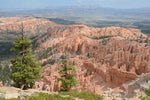
 Most travelers treat this monument as a quick pit stop between Bryce and Zion, and that is exactly what makes it one of southern Utah’s most underrated camping spots. It is a massive natural amphitheater carved into the Markagunt Plateau, stacked with layers of rust, cream and salmon-colored rock that drops into jagged spires and narrow canyons far below. Alpine wildflowers carpet the meadows in mid-summer, mule deer drift through the tree line at dusk, and the thin, clean air makes the night sky glow with stars you can barely see at lower elevations.
Per NPS details, the Point Supreme Campground operates only during the summer season, with basic vault toilets, picnic tables and fire rings. There are no utility hookups, no on-site drinking water, and cell service drops to zero almost as soon as you turn off the main highway. Temperatures can swing 40 degrees between midday and midnight, and afternoon thunderstorms can roll in with hail and lightning in less than half an hour.
Camping this high up comes with a long list of small, easy-to-miss hurdles you will not run into at lower campgrounds. Altitude hits you faster than you think. Even seasoned hikers can end up with throbbing headaches or shortness of breath if they push a long trail on their first day.
Wind is constant up on the exposed rim. It rattles tent rainflies nonstop through the night, and it can pick up light gear and toss it across the meadow if you leave it unsecured. Afternoon storms build fast too, shifting from bright sun to cold rain, small hail and frequent lightning in minutes.
Then there is the wildlife. Per NPS wildlife notes, mule deer, coyotes, yellow-bellied marmots and golden eagles are all regulars across the monument. Marmots look slow and cuddly from a distance, but they have sharp teeth and a keen sense of smell, and will chew through fabric, plastic bags and even thin cooler walls to reach any trace of food.
Sound also travels and bounces strangely along the rim. A rustle in the grass a hundred yards off can sound like it is right at your tent door, and you can never tell if it is a deer, a marmot or something else entirely.
I learned all of this the hard way on my first trip up here years ago. I set my tent dead-center on an open rim spot because I wanted unobstructed star views all night, and I packed my schedule full of long hikes for day one, figuring I was in good enough shape to skip the altitude adjustment.
By dusk I had a splitting headache, but I brushed it off and left my daypack propped against the picnic table, with a half-eaten granola bar still in the side pocket. Sometime after midnight I woke up to wind slamming my tent sideways and small hail tapping hard on the rainfly. Then I heard scratching and chewing right outside, right next to my pack.
I did not dare step outside in the storm. I sat there shivering for almost two hours, head throbbing, listening to whatever it was tear through my bag.
By morning my pack was chewed open, my granola bar was gone, and my headache was so bad I could barely make it to the overlook. I cut the trip short by a full day, and I left feeling like I had wasted the whole drive.
This trip felt nothing like that mess, and a big part of that difference came down to having my LETWESAF camping perimeter alarm set up around the outer edge of my campsite. It worked reliably all night long. When small fast-moving creatures darted past, or larger animals worth watching for like marmots and deer approached the campsite, it would sound a beeping alert half a mile in advance. That measured level of warning was just enough to put my mind at ease.
I still locked all my food, trash, toiletries and even my lip balm in a hard storage bin in my truck every single night. I still took my first day slow, stuck to short easy trails, and drank extra water to let my body adjust to the altitude.
But I did not lie awake straining to parse every rustle and every echo off the rock walls, wondering if an animal was working its way through my gear. I slept through most of the night for once, and I could sit out after dark watching the stars come up without tensing up every time the wind picked up.
After three days exploring rim trails and testing different camp layouts, I have got a handful of plainspoken tips for anyone heading up here. Skip the wide-open rim spots for camping, no matter how good the star views look. Constant wind will wear you out overnight, and storms hit harder with zero tree cover.
Take day one slow. Drink extra water, skip the hardest hikes, and give your body 24 hours to adjust to the altitude before you push yourself. Lock every scented item in your vehicle overnight, not just food, as marmots will go after lip balm, sunscreen and even used paper plates if they catch a whiff.
Get off exposed trails by early afternoon. Thunderstorms build fast at this elevation, and lightning is a real risk on open rim ground. Bring a warm sleeping bag and extra layers no matter what the forecast says, as overnight lows near freezing are normal even in July and cold rain or hail makes it feel much worse.
When I packed up to head back down the mountain on my last morning, I paused at the main overlook for one last look at the amphitheater glowing in soft morning light. Good high-country camping is never about proving you can tough out every bad surprise the mountain throws at you.
 It is about covering the basics ahead of time, LETWESAF handles one steady, low-hassle part of your camp setup, so you can keep your focus on the red rock cliffs, the bright alpine stars and the quiet, crisp rhythm of the high plateau rim.
Have you ever had a camping trip derailed by altitude sickness or unexpected wildlife? Drop your real-world advice in the comments below.


