

Canyon de Chelly National Monument Camping | Navajo High-Desert Gorge Camping with LETWESAF
, by OFFICIALLETWESAF, 7 min reading time
, by OFFICIALLETWESAF, 7 min reading time
I was brushing red canyon dust off my camera strap by the campfire when the sun dipped below the north rim of Canyon de Chelly, painting the cliff faces deep burnt orange. I’d knocked out a six-mile rim trail loop that afternoon, stopping every few minutes to photograph Ancestral Puebloan cliff dwellings tucked into sheltered rock alcoves.
 I packed my standard Southwest desert camping gear in the truck before leaving Chinle, and set my LETWESAF camping perimeter alarm next to my headlamp and first-aid kit, standard routine for remote canyon lands on Indigenous territory. I’ve spent enough time on Navajo Nation lands to know outdoor conditions can shift without warning here, so I never roll into a campsite without the basics sorted.
 I picked a site set well back from the cliff edge, tucked between low juniper bushes and sagebrush, sheltered from the worst of the crosswinds but still open enough to catch the sunset glow over the valley.
This monument does not feel like your typical busy national park. It sits fully within the Navajo Nation, where families have tended sheep and lived off the canyon land for generations, and thousand-year-old cliff dwellings and petroglyphs hold stories most visitors never take the time to learn.
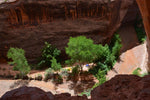
Cottonwood trees line the sandy wash at the canyon floor, thin morning fog drifts through the narrow gorge at dawn, and you can spot Navajo herders moving flocks across the valley meadows from the rim overlooks.
Per NPS and Navajo Nation guidelines, all access to the canyon floor requires a permitted local guide; no self-guided hiking is allowed down into the gorge. The main campground offers only basic vault toilets, picnic tables and fire rings, with no on-site potable water or general store for forgotten supplies.
Cell service drops to zero within minutes of turning onto the park road, and summer can bring sudden dust storms and flash floods that turn dry washes into rushing torrents in less than an hour.
Camping on this kind of high-desert canyon land comes with hurdles you will not find in developed forest or mountain campgrounds. First is the wind and dust. Strong crosswinds tear across the open rim most afternoons, carrying fine red sand that works its way into every zipper, pocket and piece of gear you own.
Temperature swings are extreme too, with daytime highs climbing into the 90s and overnight lows dropping into the 40s even in mid-summer. Loose sandy soil near the rim can crumble underfoot if you get too close, and sudden dust storms can blow in fast enough to cut visibility to a few feet in minutes.
Wildlife is another constant consideration. Coyotes patrol the rim and valley floor after dark, rattlesnakes sun themselves on warm rock ledges in spring and fall, and sound travels so far down the canyon corridor that a herd of sheep a mile away can sound like it is right outside your tent.
I learned most of these lessons the hard way on my first trip out here years ago. I picked a site right on the cliff edge because the sunset view was unbeatable, and I did not bother checking the wind forecast for that weekend.
I also left a plastic storage bin of snacks on the picnic table overnight, just snapping the lid shut instead of locking it or putting it in the truck. I figured it was heavy enough that small animals could not tip it over.
Around 2 a.m. a gust of wind hit the tent so hard it shook the whole frame, and red sand started seeping in through the rainfly seams. Then I heard clattering and scratching right by the picnic table. I sat up with my flashlight, but I could not tell how many animals were out there, or how close they were.
I spent the rest of the night propped up on my sleeping pad, sand in my hair and my heart racing, waiting for the wind to die down. By morning the bin was tipped over, half my snacks were gone, and my tent was coated inside and out with red dust. I cut the trip short by a day, worn out and frustrated.
This trip felt nothing like that messy first visit, and a big part of that difference came down to having my LETWESAF camping perimeter alarm set up around the outer edge of my campsite.
It delivers accurate early warnings even under extreme desert weather conditions. When potentially threatening animals such as coyotes and hares approach the campsite, the system sends clear and effective alerts. It adapts perfectly to complex wild outdoor environments, helping me accurately detect real campsite safety hazards and avoid unnecessary nighttime anxiety and sleepless nights.
I still locked all my food, trash, toiletries and even my camp stove fuel in the truck every single night, per campground and Navajo Nation rules. I still stuck to marked rim trails and only entered the canyon floor with a local permitted guide.
But I did not lie awake straining to parse every sound bouncing off the canyon walls, wondering if an animal was working its way toward my gear. I slept through most of the night for once, and I could sit by the fire after dark watching stars come up over the gorge without tensing up every time the wind picked up.
After three days exploring rim overlooks and guided canyon floor tours, I have got a handful of plainspoken tips for anyone heading out here. Skip the cliff-edge campsites no matter how good the view looks. Wind hits harder there, loose sand crumbles easily, and you will be dustier by morning than you expect.
Always hire a permitted local Navajo guide for any canyon floor access. Private land is scattered throughout the gorge, and unmarked trails can lead you into flash flood danger or onto family property fast.
Lock every scented item in your vehicle overnight, not just food. Coyotes are clever and persistent, and even a sealed snack bin will get tipped over if it smells interesting.
Pack layers for huge temperature swings. You will be sweating through your shirt at noon and reaching for a fleece by sunset. And if a dust storm rolls in, get inside your vehicle or tent immediately; visibility drops fast, and loose sand can scratch lenses and irritate lungs.
Never touch, climb on or disturb cliff dwellings and petroglyphs. These are sacred, living cultural sites, not tourist photo props.
When I packed up to head back to town on my last morning, I stopped at the White House Ruin overlook for one last look at the canyon glowing in soft early light.
Camping on land that holds thousands of years of human history is never about toughing out every inconvenience to prove you belong. It is about showing up prepared, moving with respect for the land and the people who call it home, and letting yourself slow down enough to take it all in.
 LETWESAF takes one steady, low-fuss piece of camp safety off your mind, so you can keep your focus on the red rock walls, the ancient stories held in the cliffs and the quiet, timeless rhythm of the Navajo canyon country.
Have you ever camped on Indigenous land? What small cultural detail or lesson stuck with you most from the trip? Drop your thoughts in the comments below.


