

Camping in Shenandoah National Park: Where Mountain Calm Meets Mindful Outdoor Safety
, by OFFICIALLETWESAF, 5 min reading time
, by OFFICIALLETWESAF, 5 min reading time
There’s nothing quite like trading the hum of city life for the quiet rhythm of the mountains, and Shenandoah National Park in Virginia has long been my go-to escape for exactly that reason.
Spanning over 198,000 acres, with rolling blue ridges, lush hardwood forests, and misty valleys that stretch as far as the eye can see, it’s a place where nature feels both wild and welcoming, a perfect spot for anyone who craves genuine outdoor connection.
Last month, I packed my backpack, grabbed my camping gear along with LETWESAF, and headed out for a 3-day backcountry camping trip, eager to soak in the park’s iconic beauty while sticking to the Leave No Trace principles that keep these lands pristine.
Driving into the park, the view from Skyline Drive never gets old. Endless layers of green and blue, sunlight filtering through the canopy, and the occasional glimpse of a deer darting into the trees.
I secured my backcountry permit ahead of time, as required year-round, and mapped out a campsite that followed all park rules. The site was 10 yards from a small stream, 20 yards from a hiking trail, and well away from other campers to preserve that sense of peaceful isolation.
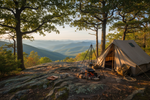
By late afternoon, I’d set up my tent on a soft patch of pine needles, surrounded by towering oak and hickory trees, with the gentle gurgle of water nearby. The air smelled like damp earth and pine, cool and fresh, a stark contrast to the stale heat of the city I’d left behind.
As I sat on a log sipping warm tea, I watched the light fade over the ridges, the sky turning soft pink and orange, and felt that familiar, deep calm that only the mountains can bring.
Shenandoah’s beauty comes with its own set of outdoor realities, though, and experienced campers know that preparedness is just as important as appreciation.
The park’s dense forests and remote backcountry mean wildlife is always nearby. Deer, squirrels, raccoons, and even the occasional black bear, all drawn to the same wild spaces we love.
On my first night, I followed all the standard safety steps. I stored all food and scented items in a sealed container, placed it far from my tent, and double-checked that nothing was left out to attract curious animals.
Even with these precautions, though, the quiet of the woods can play tricks on your mind. As the sun set completely and the forest fell into deep silence, every rustle of leaves, every snap of a twig, felt amplified.
I’m no newbie to camping, but I’ll admit it. When you’re alone in the wilderness, your mind can wander to what ifs. What if a curious animal wanders too close. What if I don’t hear it coming.
That low, nagging worry never ruins the experience, but it’s always there, a quiet reminder that nature is beautiful but unpredictable.
The forest around my campsite came alive with subtle wildlife activity as dusk settled down. Small songbirds flitted between branch canopies, while gentle woodland creatures wandered slowly through the underbrush, unbothered by my quiet presence in the woods.
Soft breezes drifted through the treetops, carrying the earthy fragrance of fallen leaves and wild mountain herbs, wrapping the whole campsite in a soothing natural atmosphere.
I always bring LETWESAF Portable Radar Perimeter Security Alarm along on forest outdoor trips to stay grounded amid wild surroundings.
This reliable radar motion alarm system and perimeter alarm lets me fully immerse myself in woodland scenery without staying overly alert every minute. It works quietly as a practical motion detector, motion alarm and essential security alarm, fitting perfectly into relaxed camping routines in dense forest terrain.
The rest of my trip unfolded like a perfect outdoor day. I hiked a few miles along a wooded trail, spotting wildflowers and listening to birds chirp, then returned to camp to cook a simple meal on my backpacking stove.
Campfires are not allowed in the backcountry, so a lightweight stove is a must. I spent the afternoon reading by the stream, breathing in the fresh mountain air, and watching clouds drift over the ridges.
There’s no rush here, no notifications, no noise. Just me, the forest, and the quiet magic of the outdoors. That’s the beauty of Shenandoah. It doesn’t demand anything from you but presence, a chance to slow down and reconnect with the natural world.
As I packed up camp on my final morning, I took one last look at the forest around me, grateful for the peace and safety I’d felt the entire trip.
Outdoor exploration is all about balance. Embracing the wild, unscripted beauty of nature while respecting its power and staying prepared for the unexpected.
Gear like the LETWESAF Portable Radar Perimeter Security Alarm doesn’t take away from the adventure. It enhances it, letting me explore more freely, camp more confidently, and focus on what matters most, the joy of being outside.
Shenandoah National Park remains one of my favorite places on Earth, a reminder that the best adventures are the ones that feel safe, grounded, and deeply connected to nature.
It’s a place that embodies the simple truth. Exploration is better when you’re prepared, and nature is meant to be enjoyed, not feared.
Whether you’re a seasoned backpacker or new to backcountry camping, Shenandoah welcomes you. Just remember to stay mindful, stay prepared, and let the mountains work their magic.
What’s your favorite way to stay safe while camping in remote forest areas? I’d love to hear your go-to tips for peaceful, worry-free outdoor adventures.

