

Camping in Great Basin National Park: My Wilderness Journey with LETWESAF
, by OFFICIALLETWESAF, 4 min reading time
, by OFFICIALLETWESAF, 4 min reading time
For years, the untamed landscapes of Great Basin National Park in eastern Nevada have been a top destination on my outdoor travel list.
When I finally carved out time for this multi-day backcountry camping trip, I sorted through my essential gear with great care, and made sure to bring my go-to LETWESAF camping perimeter alarm to safeguard my campsite throughout the adventure. This park stands apart from other mountain wilderness areas across the region, defined by vast arid basins, rolling alpine ridges and ancient bristlecone pines that have thrived for millennia. It never draws overwhelming crowds, making it an ideal retreat for campers who crave quiet, unspoiled time away from busy urban life.
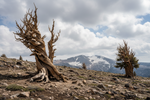
After navigating winding mountain roads and completing standard check-in procedures at the visitor center, I settled on a designated backcountry campsite that sits a short walk from the main trail network. The ground here is covered with loose desert soil and scattered sharp rocks, dotted with low-lying desert shrubs and sparse wild grasses. Ancient bristlecone pines rise sporadically across the basin, their gnarled trunks and twisted branches bearing clear marks of centuries of wind and weather. The air here is dry and crisp, carrying a distinct earthy scent unique to high-desert ecosystems.
During daylight hours, I spent hours wandering nearby trails and climbing gentle slopes to take in panoramic views that stretch all the way to the distant mountain lines. Following official guidance issued by the National Park Service, I stuck strictly to established trails to protect the park’s fragile native plant life and delicate desert habitats. With no dense tree canopies to block the view, every step along the trail unfolds a new stunning scene, turning simple daytime hiking into a deeply enjoyable part of the outdoor experience.
Once the sun dips behind the mountain ridgelines, the entire park slips into profound stillness, and a common concern for remote campers begins to emerge. Per wildlife safety reminders from the NPS, small foraging mammals and occasional wild canines grow very active after dark within Great Basin. These creatures roam freely across the open basin terrain and often approach overnight campsites, drawn by the scent of stored food and personal items. Unlike forested campgrounds surrounded by thick foliage, this open basin landscape has virtually no natural barriers. As a designated dark-sky area, the park has extremely minimal artificial light after sunset, leaving campers unable to monitor every corner of their surroundings while resting. On top of that, backcountry campsites are widely spaced, so fellow campers cannot offer quick help if unexpected situations arise. I have always abided by park rules to store all food and scented belongings in wildlife-resistant containers, yet I still found myself staying on edge and unable to fully relax during past stays here.
This trip felt remarkably different, all thanks to having LETWESAF alongside me. It operates steadily on the uneven, dry ground of the basin and continues working reliably even when mountain winds shift directions frequently. With this practical device in place, I no longer needed to stay hyper-focused on every faint sound outside my tent. I could truly unwind and embrace the serene nighttime atmosphere of the wilderness. After setting up camp for the night, I sat outside for a long while to admire the park’s world-famous dark-sky views. Freed from urban light pollution, thousands of stars glow vividly across the night sky, creating a mesmerizing sight that calms the mind and soothes the spirit. I listened to wind drifting through pine branches and faint distant animal calls, and fully immersed myself in the pure charm of backcountry camping.
I woke up feeling rested and energized the next morning, ready to continue exploring the surrounding trails. Over the next two days, I hiked to hidden natural springs and wandered through groves of ancient pines, and summed up several practical tips for anyone planning to camp in Great Basin. The arid climate means travelers must pack ample drinking water; sudden mountain gusts call for wind-resistant tent accessories; and all visitors should follow Leave No Trace principles to preserve the park’s pristine wilderness. These small, thoughtful habits help every outdoor trip run smoothly and safely.
As my memorable camping journey in Great Basin came to a close, I packed my gear and looked back at the sweeping basin scenery with genuine fondness. Every rewarding outdoor adventure relies on both a passion for exploration and thoughtful advance preparation. This trip helped me understand why so many outdoor enthusiasts return to this hidden natural gem time and again. LETWESAF has become a dependable companion for all my wilderness travels, allowing me to focus on exploring nature rather than worrying about potential disruptions.
Great Basin’s one-of-a-kind wilderness charm wins over every outdoor lover who visits. Have you ever camped in this high-desert national park? What handy tips have you picked up for camping in dry, windy basin landscapes? Share your stories and advice in the comments below.

