

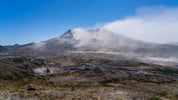
Camping at Mount St. Helens National Volcanic Monument: Solo Trips and Worry-Free Nights
, by OFFICIALLETWESAF, 5 min reading time
, by OFFICIALLETWESAF, 5 min reading time
I had a camping trip planned with a buddy for early July, and he bailed 12 hours before we were set to leave. I almost called it off too, but I’d been hyped to hike Mount St. Helens’ Harry’s Ridge trail for months, so I threw my gear in the truck and went alone.
 I packed all the standard backcountry stuff, 0-degree sleeping bag, bear canister, camp stove, first aid kit, and I also tossed my LETWESAF camping perimeter alarm in the top of my pack.
I grabbed a first-come site at Cougar Rock Campground, tucked between old-growth firs and a loose pumice slope that leads up toward the monument’s backcountry. It’s quiet this time of year. Most crowds stick to the Johnston Ridge Observatory overlook, so you get whole stretches of trail and campground to yourself.
 The air smells like pine and dusty volcanic rock. When the sun dips low, the ash-covered hills glow this soft, rusty red that doesn’t look like anywhere else in the Pacific Northwest, and you can see the crater rim peeking over the treeline from the camp picnic table, which never gets old.
I’ve always been extra wary of nighttime sounds at this campground, after a rough experience on a trip last year. I’d headed outside to check on a rustling noise in the dark, stepped on loose volcanic rock, twisted my ankle, and spent the rest of that trip stuck at camp instead of hiking. I didn’t want to repeat that mistake, so I spent most of my first night laying awake, tensing up at every crackle in the brush and wondering if wildlife was wandering close to my site, and I barely slept through the dark hours.
By Saturday morning I was running on fumes. I made coffee, sat on a camp chair staring at the hills, and almost bailed on the second night to drive home early. Then I remembered the alarm I’d stuffed in my pack, so I pulled the LETWESAF camping perimeter alarm unit out, glanced over the simple guide, and mounted it on a sturdy fir tree at the edge of my campsite, pointed straight at the back slope where most wildlife passes through.
Deployment was low-effort and intuitive. No mandatory app downloads or account setups to work through, no messy cables to string across the site. I just secured it in place, calibrated the detection range to fit my camp perimeter, and it was ready to go. I finished up quickly, then headed out for a short day hike to stretch my legs.
That night, I climbed into my tent expecting another long, sleepless stretch. Sure enough, around midnight, I heard the first faint yips in the distance, then the alarm let out a low, steady beep. It was quiet enough not to startle me, loud enough to cut through the wind, so I sat up and grabbed my headlamp, but didn’t even need to go outside.
The alert went off when the coyotes were still far enough down the slope that I had plenty of time to settle in and listen. They passed by the edge of the perimeter, never got close to my tent or food storage, and kept moving up the valley. The alarm beeped a second time about an hour later, when a porcupine waddled through the brush on the other side of the site, and again it was far enough out that I didn’t have to do anything but roll over and go back to sleep.
It was a total game changer. I didn’t have to lie there tensed up, waiting for every little noise to turn into something bigger, and I didn’t have to risk stumbling around on loose volcanic rock in the dark just to check what was out there. The alarm let me know when something was actually approaching my camp, and gave me space to relax the rest of the time, so I slept straight through till sunrise with no interruptions and no paranoia. I woke up feeling rested enough to tackle a second longer hike that day, instead of cutting the trip short.
A few real-talk tips for anyone camping at Mount St. Helens, or any volcanic backcountry area, for that matter. Skip late-night walks to investigate wildlife noises, since pumice and volcanic rock is loose and slippery even in daylight, and it’s far too easy to twist an ankle or take a fall after dark. Clean every last bit of food residue off your cookware before stowing it, as coyotes and porcupines in this area have incredibly sharp senses of smell, and even a faint trace of grease will draw them in. Pick a campsite with natural barriers when possible, like a cluster of trees between you and open slopes, which cuts down on wind and gives you a clear line of sight to spot wildlife movement early. Get any safety gear set up before the sun goes down, because fumbling with instructions and equipment when visibility is low is never a smart call.
By Sunday morning, I was packing up my gear already planning my return trip in August. There’s something about this volcanic landscape that keeps pulling me back, from the quiet, raw, scarred hills to the way the light hits the ash at golden hour. Having my LETWESAF camping perimeter alarm with me just took one big worry off my plate. It didn’t make the wilderness less wild, it just let me enjoy it more, without the constant background stress of wondering what’s out there in the dark.
The best outdoor gear doesn’t overcomplicate things. It shows up, does its job, and lets you focus on what matters: getting out there, seeing new places, and making the most of every trip. What’s one piece of gear that completely changed how you camp solo? Drop your picks in the comments below.


