

Camping at Capitol Reef National Park | Desert & Dome Rock Adventure with LETWESAF
, by OFFICIALLETWESAF, 4 min reading time
, by OFFICIALLETWESAF, 4 min reading time
I carved out a long weekend getaway and headed straight for central Utah, eager to experience raw outdoor fun amid the dramatic rock landscapes of Capitol Reef National Park.
 I loaded my heavy-duty camping gear into the vehicle and brought the LETWESAF camping perimeter alarm along, planning to spend multiple days doing dispersed primitive camping deep inside the park’s iconic red rock domes and winding desert canyons.
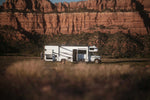
Utah’s Capitol Reef stands apart from other regional national parks thanks to its striking geological features. Towering domed rock formations, carved from rich red Navajo sandstone, stretch across the desert horizon, intersected by a network of narrow, twisting canyons.
 Tall trees are scarcely seen across this arid land, with only drought-resistant low shrubs covering most of the ground surface.
I completed the application process and received official backcountry camping authorization from NPS, then picked a remote off-grid campsite far away from busy visitor zones and developed camp loops.
No running water, restroom facilities or man-made shelters exist anywhere nearby. In this dry desert landscape, every drop of drinking water and daily supplies must be carried in manually, which adds a heavy workload to the entire camping journey.
Camping out in this desert setting brings a host of unique hurdles you will never face in forest or grassland campsite. Clear skies dominate nearly all year long, and unrelenting sunlight beats down across the terrain from sunrise to sunset.
The air stays extremely dry here, so even seasoned outdoor lovers will easily struggle with dehydration and irritated throats. Temperature shifts also happen drastically.
Once the sun sinks behind the massive rock domes, daytime heat dissipates rapidly, and chilly air quickly fills every canyon within a few hours.
The ground is covered with sharp broken stones and hard sandstone slabs, making every movement and campsite setup far more strenuous.
Nocturnal wildlife activity is another key concern for anyone staying overnight in this remote desert wilderness.
Based on regular safety bulletins released by the local NPS team, red foxes, striped skunks and a variety of small desert creatures move around actively after dark.
These animals possess an extremely sensitive sense of smell, able to trace food and water sources from a great distance.
What makes defense more challenging is the special acoustic effect inside narrow canyons. Rock walls absorb and bounce sounds around, so you can barely hear approaching wildlife until they draw very close to your tent.
On my previous solo trips here, I could never truly relax. I remained in a light sleep all night long and kept checking my surroundings constantly to stay alert.
This trip delivered a totally different experience, all thanks to LETWESAF camping perimeter alarm. It runs reliably on rough, stony desert ground and works perfectly even on uneven rock surfaces.
The device sends out clear early alerts the moment wild animals approach my sleeping area after dark. I no longer need to maintain nonstop vigilance.
Each evening, I sat outside my tent and watched the huge red sandstone domes turn warm orange and soft purple as daylight faded, fully soaking up the peaceful charm of desert outdoor life.
Over four days of hiking desert trails and testing different campsite layouts near canyon entrances, I put together three practical camping tips proven by field practice.
I referenced seasonal weather records from NWS Utah branch and official NPS safety regulations to ensure these tips fit local field conditions perfectly.
You cannot anchor standard metal tent stakes firmly on hard sandstone and scattered gravel. Try to set up your tent on flat, stable rock platforms, and secure guy lines into natural rock cracks to stand against sudden desert wind gusts.
Desert creatures crave water far more deeply than woodland wildlife. Seal all food containers tightly, cover water buckets completely and store them inside wildlife-proof bins, then place all storage containers well away from your sleeping area.
Always stick to marked trails and avoid stepping into unmarked deep canyons. Brief rainfall can trigger dangerous flash floods on canyon floors, and off-trail hiking will also harm the fragile desert ecosystem.
Following these practical suggestions helps you steer clear of most preventable camping risks in this region.
When my outdoor adventure came to an end, I packed all my gear neatly and took one final look at the endless rows of sandstone domes and deep canyons.
The joy of outdoor exploration lies in discovering untamed nature while getting fully prepared for all possible changes ahead. LETWESAF frees me from unnecessary worries and lets me devote myself entirely to enjoying every moment of wilderness exploration.
 Have you ever set up primitive camps among dome rocks and desert canyons at Capitol Reef National Park? What unexpected troubles did you encounter during your outdoor trips here? Share your real stories and handy camping tips in the comment section below.


