

Black Canyon of the Gunnison Camping | Rough Rim Camping with LETWESAF
, by OFFICIALLETWESAF, 4 min reading time
, by OFFICIALLETWESAF, 4 min reading time
Drove six hours straight to Black Canyon of the Gunnison last week, and let me tell you, this place does not mess around.
 I tossed all my beat-up camping gear in the back of the truck and stuffed my LETWESAF camping perimeter alarm in my pack before leaving, because I knew high-desert rim camping throws way more curveballs than regular front-country sites.
I skipped the crowded main loop entirely and grabbed a first-come site tucked deep in the pinyon pines, a solid hike away from the busy overlook parking lots.
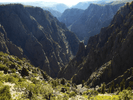
 This canyon hits nothing like the wide, open western parks most people know. It is narrow, steep, and brutal. Sheer dark schist walls drop nearly 2,800 feet straight down to the Gunnison River, and the whole rim sits right around 8,200 feet.
The wind does not just blow here; it swirls and twists through the canyon gap, hitting your campsite from every direction at once.
There are basic vault toilets and a single seasonal water spigot, and that is it. No hookups, no camp store, zero cell service for miles. You show up prepared, or you suffer through it. Plain and simple.
Camping on the rim comes with a very specific set of headaches you will not find at lower elevation sites. The air is bone dry, and constant wind pulls moisture out of you faster than you can replace it.
Evenings bring unpredictable gusts that slam into tent walls hard enough to shake your whole setup. After dark, cold air pooled in the canyon drifts upward, wrapping the rim in thick, cold fog that kills visibility in minutes.
The worst part for overnight stays? Canyon echoes. Every rustle, every scuttle, every distant animal sound bounces off the rock walls, so you can never tell how close something is or which direction it is coming from.
Per official park wildlife notes, ringtails, skunks, mule deer and the occasional black bear move along the rim after dark, following game trails that cut right past backcountry campsites.
On my first trip here a few years back, I had a miserable night. I heard something circling my tent around 2 a.m., but the echo made it impossible to pin down.
I did not dare step outside to check. Thick fog had rolled in, and I could not see the canyon edge ten feet from my tent. I sat rigid for hours, listening and second-guessing every sound. By sunrise I was exhausted, and I barely enjoyed the rest of the trip.
I went into this stay fully expecting another round of broken, restless sleep. Setting up LETWESAF around the perimeter of my site changed that completely.
It held up steady through swirling canyon winds and cold fog, no random false triggers from blowing pine needles or tumbleweeds. When something moved close to camp, it gave a clear, straightforward alert.
I did not have to unzip my tent and fumble around in the dark near a cliff edge to investigate. I slept through most of the night for once, and I could sit out after dark watching fog curl up from the canyon without staying locked on high alert.
After three days of testing setups and learning the rhythm of the rim, I put together a handful of no-BS camping tips for anyone heading out here.
Double down on tent anchoring. Use both sturdy stakes and heavy rock weights on all guy lines, because swirling canyon gusts will tear loose a normal setup in minutes.
Set up camp at least 20 feet back from the canyon edge, no exceptions. Night fog rolls in fast and erases all visibility, and one wrong step can turn into a disaster.
Carry way more water than you think you need. Dry high-altitude wind dehydrates you faster than almost any other outdoor environment, and there is no backup water source on most of the rim.
Lock all food, trash and scented items in a hard-sided vehicle or park-provided bear box overnight. And never wander off trail after dark. The rim is uneven, loose and drop-off heavy, and there is no cell service to call for help if you slip.
When I packed up to head home, I stopped at the overlook for one last look down into the dark gorge.
Real outdoor camping is never about toughing out every risk just to prove you can. It is about knowing what you are walking into, covering the basics, and removing unnecessary stress so you can actually take in the place you traveled to see.
LETWESAF takes one major weight off your plate for overnight stays, so you can keep your focus on the canyon, not every little rustle in the dark.


