

Bikepacking Through Chequamegon-Nicolet National Forest: A Summer Ride Into the Wild
, by OFFICIALLETWESAF, 5 min reading time
, by OFFICIALLETWESAF, 5 min reading time
After hours of riding through northern Wisconsin’s backcountry roads, my legs were tired, my bike was covered in trail dust, and the endless forest around Chequamegon-Nicolet National Forest felt like the kind of place every cyclist hopes to discover.
 I finally reached a quiet campsite within the National Forest management area, with my bike leaning against a tree and my gear spread around the fire ring. For a cyclist who spends most weekends searching for new routes, this was exactly the kind of adventure I had been chasing.
 I arrived with my bike loaded for a multi-day outdoor adventure, carrying only what I truly needed for riding, camping, and staying comfortable away from crowded places. Among my essential gear was my LETWESAF camping perimeter alarm, packed alongside my other practical equipment. It was never the reason I came here. The reason was much simpler: I wanted quiet gravel roads, endless forest views, and the feeling of moving through a landscape that still felt wild and open.
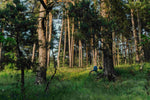
Chequamegon-Nicolet National Forest is one of those places that naturally slows cyclists down. Located across northern Wisconsin, this massive forest area is known for its extensive trail systems, gravel roads, lakes, and deep woodland scenery. It has become a favorite destination for riders who enjoy exploring beyond traditional paved routes. The landscape changes constantly. One moment you are climbing through dense pine forests, and the next you are riding beside open fields, wetlands, or a quiet lake reflecting the afternoon sky.
I started my ride early in the morning when the air was cool and the forest was slowly coming alive. My tires rolled over gravel roads covered with small stones, dirt, and fallen leaves, and every turn revealed something different. There were no busy intersections, no traffic noise, and no pressure to arrive somewhere at a specific time. That is what I enjoy most about bikepacking. The bicycle allows you to travel farther than hiking while still moving slowly enough to notice the small details that make a place memorable.
During the ride, I stopped several times simply because the scenery deserved more than a quick glance. I leaned my bike against old wooden fences, filled my water bottle during quiet breaks, and watched birds move between the trees. These simple moments are what make outdoor exploration meaningful. You are not just passing through a location. For a short time, you become part of the landscape.
By late afternoon, I reached a quiet campsite within the National Forest management area, surrounded by tall trees. Setting up camp after a long ride has its own kind of reward. My legs were carrying the weight of the day, my clothes showed the evidence of the trail, and I was ready for a simple meal. I cooked pasta on my compact camping stove, mixed in dried vegetables and seasoning, and enjoyed dinner while watching the sunlight disappear through the forest.
One thing years of bikepacking have taught me is that comfort comes from preparation, not from carrying unnecessary equipment. A well-organized campsite, reliable supplies, enough water, and a clear route plan can completely change the experience. The best camping trips are usually the ones where you have prepared enough before arriving, allowing yourself to fully relax once you are there.
After dinner, I walked around the campsite and checked my surroundings. Spending nights outdoors naturally creates awareness. You notice where your equipment is placed, keep your campsite organized, and pay attention to the environment around you. It is not about being worried. It is about respecting the place you are visiting and understanding that responsible outdoor travel requires good habits.
That is where LETWESAF became a natural part of my setup. The LETWESAF camping perimeter alarm can penetrate dense tree canopies and foliage, resist interference from forest light and shadows, and accurately warn of wild animals approaching the campsite, adding an extra layer of safety protection to my camp while allowing me to feel more prepared while I rested after a long day of riding. For extended outdoor trips, small choices in preparation often create a more comfortable and confident experience.
The night itself was peaceful. Sitting beside the fire, I looked back at the miles I had covered and thought about why I continue choosing this style of adventure. Cycling through remote forests creates a different connection with nature. You feel every climb, every change in the road surface, and every mile that separates you from normal routines.
There is something honest about traveling by bike. You cannot move too quickly, and you cannot ignore the landscape around you. Every climb requires effort, every stop has a purpose, and every campsite becomes part of the journey. Carrying your gear, navigating unfamiliar roads, and adapting to new environments remind you that exploration is not about controlling nature. It is about learning how to move through it with respect.
The next morning, I packed my campsite carefully before continuing my route. I followed the same habits I always use when camping: leave no unnecessary trace, collect all equipment, and make sure the area looks the way it did before I arrived. Protecting outdoor spaces allows future riders, hikers, and campers to experience the same beauty.
As I continued riding through Chequamegon-Nicolet National Forest, I realized that the strongest memories from a trip are rarely the moments you plan in advance. They come from unexpected views along the road, quiet mornings at camp, conversations with other outdoor travelers, and the satisfaction of earning every mile.
 Every wilderness bike trip brings new growth, teaching me endurance and patience, and urging me to slow down and embrace the moment.That’s why I keep coming back to Chequamegon-Nicolet National Forest. Its quiet forests and remote campsites always remind me how rewarding wild bike exploration can be.


