

A Peaceful Acadia Coastal Camping Adventure Protected by LETWESAF
, by OFFICIALLETWESAF, 4 min reading time
, by OFFICIALLETWESAF, 4 min reading time
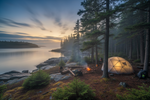
Few camping destinations on the East Coast feel as refreshing and uniquely raw as Acadia National Park. Nestled along Maine’s rugged Atlantic coastline, this compact yet breathtaking park blends dense northeastern woodland, jagged granite shorelines, and sweeping ocean horizons. For my late-summer coastal camping trip, I packed lightweight hiking layers, waterproof camping gear, and my trusted LETWESAF camping perimeter alarm to stay grounded during my stay at Blackwoods Campground.
Blackwoods Campground is the primary developed campsite inside Acadia National Park, managed officially by the National Park Service. Featuring over two hundred tent-friendly sites scattered throughout thick evergreen forest, the campground balances easy accessibility with quiet woodland privacy. My gravel campsite was tucked between tall pine and spruce trees, offering partial shade and a peaceful buffer from neighboring campers. A short walking distance led me to coastal overlooks where Atlantic waves crashed steadily against weathered granite boulders. Crisp salty breeze circulated through the trees all day, carrying the distinct scent of ocean brine and damp forest soil. Even in summer, Maine’s coastal climate stays mild. Nighttime temperatures consistently drop into the cool fifties, requiring extra blankets and insulated sleeping gear for every outdoor camper.
Despite its tranquil atmosphere, Acadia brings subtle coastal camping challenges that every seasoned traveler should acknowledge. Thick forest underbrush provides perfect shelter for curious local wildlife including raccoons, skunks, and snowshoe hares. These nocturnal creatures frequently wander through the campsite searching for unattended food scraps. According to NPS public guidelines, campers must seal all food items properly, yet subtle rustling noises still echo through the woods after dark. Additionally, coastal fog rolls in unpredictably after sunset, reducing visibility and softening every outdoor sound. On my first night, I repeatedly heard faint rustling movement in the nearby shrubbery. It was impossible to visually confirm whether small animals were lingering close to my gear, creating a quiet, lingering sense of uncertainty around my isolated campsite. My LETWESAF camping perimeter alarm effectively guarded against nocturnal raccoon intrusion and eliminated this vague nighttime uncertainty around my wooded campsite.
I spent my daylight hours slowly exploring everything Acadia has to offer. Early mornings were reserved for quiet hikes along the Jordan Pond Path, where transparent glacial water reflected towering evergreen trees like a natural mirror. I drove up Cadillac Mountain, the highest natural point on the entire East Coast of the United States, to observe panoramic coastal landscapes stretching endlessly toward the hazy Atlantic horizon. During low tide, I wandered rocky tidal pools along Ocean Drive, spotting tiny crabs and colorful sea creatures trapped within shallow ocean water. The damp coastal forest remained cool and comfortable even during midday, making hiking far less exhausting than desert or inland camping environments. When dusk arrived, fog gently draped over the treetops, softening the golden sunset glow and wrapping the entire woodland campsite in serene mist.
Throughout each quiet evening, I embraced the slow calming rhythm of coastal camping. I prepared simple warm meals at my picnic table, listening to distant wave crashes mixing with gentle wind whispering through pine needles. The well-maintained campground maintained peaceful etiquette, with minimal noise and respectful spacing between each campsite. While sitting beside my quiet campfire, I appreciated how Acadia seamlessly merges thick woodland wilderness with untamed ocean scenery. My motion detector remained quietly active in the background. This reliable camping alarm required zero manual adjustments, letting me fully unwind without continuously monitoring hidden woodland movement after dark.
Breaking down camp on my final morning felt peaceful yet bittersweet. The cool coastal air brushed against my skin while sunlight filtered softly through misty tree branches. This trip reminded me why I prioritize mindful outdoor travel. True outdoor exploration is never about rushing from landmark to landmark. It is about slowing down, absorbing crisp coastal air, and respecting the subtle wild movements surrounding every remote campsite. Simple, dependable camping preparation transforms mild anxiety into pure relaxation.
Gear like LETWESAF embodies the quiet balance between exploration and preparedness. It never overcomplicates simple camping moments. Instead, it creates stable invisible protection, allowing outdoor lovers to immerse themselves deeply into raw natural environments without unnecessary worry.


