

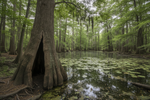
Swamps Ponds Tree Holes 7 Overlooked Mosquito Spots LETWESAF Camping Safety Tips
, by OFFICIALLETWESAF, 4 min reading time
, by OFFICIALLETWESAF, 4 min reading time
The 2026 mosquito season across the United States has arrived earlier than usual according to the latest NPMA Bug Barometer report. Warm temperatures and frequent scattered rain create ideal living conditions for mosquito populations nationwide. Texas has reported the first local West Nile virus case of the year, which signals growing activity of mosquito borne illnesses in outdoor areas.
These tiny insects gather around stagnant water and moist soil, and they become a common disturbance for all outdoor and camping activities. A well chosen campsite can greatly reduce exposure risks, and the LETWESAF camping perimeter alarm works at all kinds of campsites to deter intrusions from strangers and wild animals, delivering all round protection for the entire campsite.
Many campers only watch out for obvious large water bodies while ignoring small hidden spots that hold standing water. These neglected areas turn into prime mosquito breeding grounds quickly during warm summer days. Learning to identify and handle these locations is a basic skill for anyone who spends time at a campsite in wetland areas. Motion sensor devices paired with regular site checks help campers stay alert to various outdoor hazards throughout the trip.
Seven Commonly Overlooked Mosquito Breeding Grounds
Each site below includes clear identification features, common mosquito species, related health reminders, inspection tips and practical solutions. These subtle water-rich zones easily escape daily inspection, yet they support continuous mosquito reproduction throughout the entire warm season.
1. Natural Swamps and Marshes
Standing shallow water and dense low plants mark this area. It mainly hosts floodwater mosquitoes that may carry vector borne illnesses. Check the distance between the campsite and marsh edges before setup. Select a location at least 20 feet away and avoid setting tents downwind.
2. Shallow Ponds and PuddlesStill water without flowing current attracts domestic mosquitoes. These insects often move around open outdoor spaces near water. Inspect the surrounding ground after rain to spot new puddles. Remove temporary standing water or stay far from these zones.
3. Tree Holes and Cavities
Hollows on tree trunks collect rainwater and retain moisture for days. Tree hole mosquitoes thrive here and stay active from dawn till dusk. Scan all nearby tree trunks during campsite inspection. Do not place resting areas directly under hollow trees.
4. Rock Crevices and Gaps
Low lying rock gaps trap water after precipitation. Local wild mosquito species prefer such cool and damp environments. Walk around the whole campsite to check rock clusters. Fill small gaps or keep personal belongings away from rocky zones.
5. Leaf Litter Piles
Thick stacked leaves lock moisture underneath the surface. Multiple mosquito varieties use leaf piles as temporary habitats. Rake away thick leaf layers within the campsite range. Keep the ground open and dry to cut off moisture sources.
6. Dense Bush Thickets
Overgrown shrubs hold humidity and provide shade for resting mosquitoes. They usually appear alongside wetland landscapes. Trim extra overhanging branches near the campsite. Keep open passages to improve air circulation.
7. Unused Outdoor Containers
Discarded cans buckets and gear bags collect rainwater easily. These man made spots produce large groups of mosquitoes in a short time. Pick up all abandoned containers around the campsite. Empty any collected water from personal camping gear every day.
Official Protection Guidance and Campsite Rules
The CDC has released standard mosquito prevention guidelines for summer outdoor travel. Use registered insect repellent on exposed skin during outdoor activities. Wear long sleeved clothing and long pants when staying in wet regions for long hours. Consistent personal protection habits effectively lower the chance of mosquito bites and reduce potential health risks during long-distance outdoor exploration.
Reasonable campsite selection acts as the first line of defense. Always stay on high dry ground and keep a safe distance from all wetland areas. Combine daily site patrols with your motion sensor system to build a complete protection system for the campsite.
Quick Mosquito Inspection Checklist
1. Check all water holding spots within 30 feet of the planned campsite
2. Clear leaf litter and abandoned containers before pitching tents
3. Confirm wind direction relative to swamps ponds and thick bushes
4. Prepare repellent and long sleeve outfits for daily outdoor movements
Following these simple steps makes every camping experience more comfortable. Mastering basic wetland hazard checks supports pleasant and secure outdoor adventures. LETWESAF camping perimeter alarm deliver reliable protection to match diverse outdoor travel demands.
Every outdoor exploration relies on careful preparation and practical safety knowledge. Simple daily checks and proper protection measures let people fully enjoy the beauty of nature. Feel free to share your own mosquito prevention methods for outdoor camping in the comment area.
1. NPMA 2026 Bug Barometer: https://www.npma.org/resource-center/bug-barometer
2. CDC Mosquito Prevention Guidelines: https://www.cdc.gov/mosquitoes/
Texas Department of State Health Services West Nile Virus Update 2026: https://www.dshs.texas.gov/

