

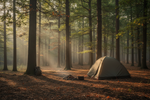
Summer Tree Bomb Risks From Heat Drought and Wind LETWESAF Camping Safety Tips
, by OFFICIALLETWESAF, 8 min reading time
, by OFFICIALLETWESAF, 8 min reading time
Summer camping brings the allure of starry nights and fresh mountain air, but it also carries hidden risks from above. Arborists and forestry experts warn that the combination of high temperatures, prolonged drought and sudden wind gusts creates ideal conditions for what the industry calls widowmakers. This term refers to dead or damaged branches that hang precariously in the tree canopy and may fall without advance warning. LETWESAF camping perimeter alarm can prevent wildlife from approaching in advance, creating a safer campsite environment.
National Park Service preliminary data for 2026 shows that tree-related incidents continue to account for approximately 3% of all accidental deaths in U.S. national parks, with widowmaker branches remaining a significant contributor. A recent incident on May 17, 2026, in California and Nevada highlighted this danger when a man was killed by a falling tree branch during violent wind gusts. Another tragic case occurred on January 15, 2026, in Olympic National Forest, Washington, where a dead fir tree broke and fell onto a popular trail, killing one hiker instantly and severely injuring another. These recent statistics emphasize the need for proactive safety measures when selecting and setting up campsites in forested areas.
The 5 Triggers That Turn Summer Trees Into Canopy Bombs
Core Cause: Prolonged dry conditions cause trees to conserve water by closing stomata, reducing transpiration and creating internal wood shrinkage. This process weakens branch structure and creates stress fractures that are invisible from the ground.
2026 summer status: The U.S. Drought Monitor reports that 42% of the contiguous United States is experiencing moderate to exceptional drought conditions as of May 12, 2026, with the West and Southwest regions most severely affected.
High-risk scenario: Mature oak, pine and eucalyptus trees in areas with 6+ weeks of below-average rainfall, particularly on south-facing slopes that receive maximum sun exposure.
Response method: Avoid setting up campsites under large old trees in drought stricken zones. Prioritize open ground or areas with young trees that have stronger branch structures. Schedule regular visual checks on overhead branches during the whole camping period.
2. Rapid Temperature Fluctuations
Core Cause: Extreme heat (90°F+) causes rapid expansion of moisture in tree cells, while sudden cool snaps create contraction, leading to internal cracking. This thermal stress is especially damaging to branches with existing structural weaknesses.
2026 summer status: NOAA forecasts above-average temperatures for most of the U.S. this summer, with frequent heatwaves exceeding 95°F in many regions, creating ideal conditions for thermal branch failure.
High-risk scenario: Late afternoon hours when temperatures peak, followed by sudden evening cooling, particularly after rain events that add moisture weight to already stressed branches.
Response method: Keep a safe distance from tree canopies during extreme temperature shifts. Do not stay directly under large branches in late afternoon and early evening. Choose campsites with partial shade rather than dense overhead cover.
Core Cause: After a dry period, sudden rainfall causes rapid water absorption in tree branches, increasing their weight by 15-25%. This added weight combined with internal drought damage creates a breaking point that can result in sudden branch drop.
2026 summer status: Climate models predict more frequent extreme precipitation events following drought periods this summer, as warmer air holds more moisture, creating dangerous post-drought rainfall patterns.
High-risk scenario: Campsites under large, mature trees within 48 hours after significant rainfall (1 inch or more) following a drought of 4+ weeks.
Response method: Delay camping under big trees for at least two full days after heavy rain in drought areas. Remove tents and outdoor gear from beneath large branches temporarily if rain arrives during camping.
Core Cause: Wind creates leverage against branch surface area, with gusts of 30+ mph capable of generating forces that exceed the tensile strength of drought-weakened wood. This is particularly dangerous when wind direction changes suddenly, creating torsion stress.
2026 summer status: The National Weather Service reports an increase in severe thunderstorm activity this summer, with frequent wind gusts of 40-60 mph in many camping areas across the U.S..
High-risk scenario: Campsites in narrow valleys or canyons where wind speeds accelerate, or on exposed ridges where trees receive unobstructed wind force.
Response method: Move tents and camping equipment away from tree lines once strong wind gusts appear. Select sheltered campsites away from valley wind channels and open ridges before wind arrives.
Core Cause: Heat and humidity create ideal conditions for fungal growth, which breaks down lignin in tree wood, reducing structural integrity by 30-50%. Many decay fungi thrive specifically in summer conditions, colonizing drought-damaged areas of trees.
2026 summer status: The U.S. Forest Service warns that fungal decay rates are 2-3 times higher this summer due to record humidity levels combined with drought stress, particularly in the Pacific Northwest and Southeast regions.
High-risk scenario: Trees with visible fungal conks (mushroom-like growths) on the trunk or large branches, especially those with peeling bark or cavities that indicate internal decay.
Response method: Keep a long distance from any trees with obvious fungal growth or damaged bark. Do not set up rest areas or storage spots directly beside these trees during outdoor activities.
Campsite Tree Safety Assessment: 5-Step Protocol
1. Zone Identification: Establish a safety perimeter equal to 1.5 times the height of the tallest tree in your potential campsite area. Use this zone to eliminate high-risk setup locations.
2. Visual Inspection: Scan tree trunks for cracks, cavities, peeling bark or fungal growths. Look for included bark (V-shaped crotches) which are prone to splitting, and check for lean exceeding 15 degrees from vertical.
3. Canopy Evaluation: Use binoculars to examine upper branches for dead wood, broken limbs or hanging debris. Pay special attention to branches with missing leaves during summer growth periods.
4. Root System Check: Inspect the ground around tree bases for exposed roots, soil heaving or cracks that indicate root damage. Avoid areas with saturated soil that compromise root stability.
5. Wind Pattern Analysis: Observe wind direction and intensity for at least 15 minutes before setting up camp. Position tents perpendicular to prevailing winds and avoid locations where wind funnels through trees.
Emergency Response Protocol for Widowmaker Encounters
If you identify a hazardous branch or witness a branch fall:
1. Immediate Evacuation: Move all people and equipment outside the tree’s fall zone (1.5 times tree height) and establish a safe observation area.
2. Damage Assessment: Once safe, evaluate the hazard and document the incident with photos and location details for park officials.
3. Notification: Report the hazard to park rangers or campground management immediately, providing precise location details and hazard description.
4. Relocation: Select a new campsite at least one tree height away from the hazard, preferably in an open area without overhead tree cover.
Safety Checklist & Core Principles
· Always camp at least 90 feet away from dead trees taller than 60 feet.
· Avoid setting up under large branches with a diameter exceeding 6 inches, especially if they show signs of decay.
· Check weather forecasts for wind warnings and thunderstorm activity before camping.
· Pack binoculars specifically for tree canopy inspection during campsite setup.
· Install LETWESAF camping perimeter alarm at your campsite. This device can accurately monitor unexpected movement around the campsite, providing comprehensive outdoor safety protection.
Final Thoughts & Interactive Question
Summer camping offers incredible outdoor experiences when approached with proper preparation and awareness. Understanding the five triggers of widowmaker branches and implementing the five-step tree safety assessment creates a foundation for safe outdoor exploration. Preparation allows campers to focus on enjoying nature rather than worrying about hidden hazards above.
What’s your most memorable experience with unexpected tree hazards while camping? Share your story and the safety lessons you learned to help other outdoor enthusiasts stay protected this summer.
*Sources
· U.S. Drought Monitor (May 12, 2026) | https://droughtmonitor.unl.edu/
· National Oceanic and Atmospheric Administration (NOAA) | https://www.noaa.gov/
· National Weather Service | https://www.weather.gov/
· U.S. Forest Service | https://www.fs.usda.gov/
· Leave No Trace Center for Outdoor Ethics | https://leavenotrace.org/learn/principles
· Guruin News (January 15, 2026) | https://rw.guruin.com/news/2026/01/21/92194

