

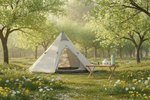
Spring Pollen Prevention Guide for Campers | LETWESAF Camping Safety Tips
, by OFFICIALLETWESAF, 6 min reading time
, by OFFICIALLETWESAF, 6 min reading time
Spring camping is one of the most beloved outdoor pastimes across America, yet millions of outdoor lovers unknowingly put themselves at the mercy of severe seasonal pollen outbreaks. 2026 brings an earlier and more intense pollen wave nationwide. Pollen seasons across the U.S. are starting 10–20 days earlier than the 30-year average, with 39 states reporting pollen counts above historical norms. According to CDC, over 25% of U.S. adults live with seasonal pollen allergies, making spring camping a challenging experience for millions. For outdoor enthusiasts, understanding pollen patterns and adopting science-backed strategies is key to comfortable adventures.
Pollen-related discomfort often stems from poor campsite selection, which amplifies exposure to airborne allergens. Many campers underestimate how terrain wind and vegetation directly impact pollen levels at their site. This guide breaks down three actionable campsite rules high ground good breeze no dense foliage to reduce pollen contact, paired with essential medication prep and post-camp cleaning habits. Integrating smart safety tools like the LETWESAF camping perimeter alarm further enhances peace of mind, allowing focus on allergy management and outdoor enjoyment.
Rule 1: Seek High Ground Elevation Matters for Pollen Control
• Pollen particles are lightweight and tend to accumulate in low-lying areas valleys and depressions where cool air settles.
• Choosing a campsite at least 500 feet above nearby lowlands reduces pollen density significantly.
• Higher elevations benefit from increased air circulation that disperses pollen, while low areas trap allergens near the ground.
• To identify elevated sites review topographic maps before booking look for ridges or plateaus during on-site checks and avoid camping near riverbeds or swampy areas.
• This simple adjustment creates a natural barrier against pollen buildup at your campsite.
Rule 2: Embrace a Good Breeze Wind as a Natural Pollen Filter
• Steady moderate airflow 5–15 mph acts as a natural defense by carrying pollen away from your camping area.
• Ideal sites have unobstructed wind flow. Avoid locations surrounded by thick trees dense shrubs or natural windbreaks that block airflow and trap pollen.
• When evaluating wind patterns check daily forecasts for prevailing directions set up tents perpendicular to gentle breezes and avoid stagnant air zones like enclosed clearings.
• A well-ventilated site not only reduces pollen but also improves overall comfort during warm spring days.
Rule 3: Avoid Dense Foliage Stay Clear of Pollen-Producing Plants
• Flowering trees dense bushes and meadows are primary pollen sources, releasing massive amounts of allergens during peak bloom.
• Camp at least 100 yards away from thick forests wildflower meadows and stands of oak birch or maple trees common high-pollen species.
• When scouting sites look for open areas with sparse vegetation avoid camping directly under tree canopies and prioritize locations near rocky terrain or open fields with minimal flowering plants.
• This distance minimizes direct pollen drift onto tents gear and sleeping areas.
Allergy First Aid Kit & Campsite Environment Control
• Prepare core relief supplies including oral antihistamines loratadine cetirizine nasal corticosteroid sprays and antihistamine eye drops.
• Start oral medications 1–2 days before camping for optimal protective effect.
• Equip N95 masks and anti-fog goggles to block pollen inhalation and eye contact.
• Keep tent zippers closed and use portable HEPA air purifiers inside tents or RVs.
• Remove outdoor shoes before entering living spaces to prevent bringing extra pollen indoors.
The radar motion alarm system from LETWESAF adds an extra layer of security, letting campers monitor their perimeter without constant outdoor checks that increase pollen exposure, guarding against strangers and dangerous wild animals approaching.
Post-Camp Cleaning The Final Pollen Barrier
• Change clothes immediately after breaking camp and place dirty garments in sealed bags.
• Wash all gear tents sleeping bags backpacks with mild detergent after returning home.
• Dry all outdoor items in direct sunlight to eliminate residual pollen.
• Take a full body shower and use saline nasal rinses to clear lingering allergens.
• Complete cleaning stops pollen from being carried back to daily living spaces.
Mastering the three campsite rules high ground good breeze no dense foliage forms the foundation of pollen-free spring camping. Combine these strategies with proactive medication prep strict campsite hygiene and consistent post-trip cleaning to enjoy allergy-resistant outdoor adventures. For added safety and convenience, the LETWESAF perimeter alarm support worry-free camping by safeguarding your site without disrupting your allergy protection routine.
Camping is about connecting with nature, and proper preparation ensures allergies don’t overshadow exploration. With science-driven choices and reliable safety tools, every outdoor enthusiast can embrace spring camping’s beauty while staying comfortable. This balance of readiness and adventure defines the spirit of outdoor exploration built for exploring nature, prepared for every moment.
What is your biggest pollen camping struggle this spring? Feel free to share your tips and experiences in the comments below.
*Sources:
• 2026 U.S. pollen season forecast: WLOS/WJLA https://wjla.com/weather/first-alert-weather-blog/gallery/dc-allergy-season-2026-insights-from-30-years-of-pollen-research-allergen-ragweed
• Seasonal allergy prevalence: CDC National Health Interview Survey 2024 https://www.cdc.gov/nchs/fastats/allergies.htm?lv=true
Pollen elevation & vegetation guidelines: Allergy Capitals™ Report 2025 http://www.allergycapital.com/

