

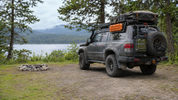
Overlanding Camping Tips: 8 Ways to Build a Smarter Campsite
, by OFFICIALLETWESAF, 6 min reading time
, by OFFICIALLETWESAF, 6 min reading time
Overlanding often means spending several days away from regular campgrounds, stores, and other conveniences. Your vehicle carries most of what you need, but that doesn't mean campsite setup should be complicated.
A few smart decisions can make a big difference: knowing where your gear is, choosing a suitable parking spot, keeping your outdoor equipment organized, and preparing for changing conditions.
Here are eight practical tips to help you build a campsite that works just as well in the backcountry as it does closer to home.
A cluttered vehicle can make even a short stop frustrating. When tools, cooking supplies, recovery equipment, and personal items are all mixed together, finding what you need takes longer than it should.
Try organizing your storage by purpose. Keep recovery gear accessible, group cooking supplies together, and store frequently used items where you can reach them without unloading everything. Make sure heavy equipment is secured properly so it doesn't shift on rough roads.
If you use a drawer system, roof rack, or dedicated storage boxes, take a little time to test your setup before the trip. The goal is to make everyday tasks easier, not just to fit as much gear as possible.
When arriving at a campsite late in the day, it's tempting to park wherever there is enough room. But think about what the site will be like when you need to leave the next morning.
Look for stable ground, a suitable place to turn around, and enough space to open doors, deploy awnings, and access storage. Avoid blocking established tracks or parking too close to other campers.
Also consider sun exposure, wind direction, and drainage. A spot that looks comfortable in the evening may become difficult to use if strong winds pick up or rain starts overnight.
A good Overlanding campsite doesn't need to be large, but it should be easy to move around. Instead of placing everything wherever there is free space, create a few simple zones.
For example, keep your cooking area separate from your sleeping setup. Place muddy boots and recovery equipment away from clean bedding, and keep frequently used items close to the vehicle. If you are camping with a group, leave a shared space where everyone can gather without blocking access to individual vehicles.
This kind of layout keeps the campsite more organized and makes it easier to pack up when it's time to move on.
Your vehicle may have lockable storage, but not everything can stay inside. Awnings, chairs, recovery boards, fuel containers, and other outdoor equipment may need to remain outside while you are resting.
Think about where these items are placed and which areas around your camp you want to keep an eye on. This is one reason some overlanders consider adding camping alarms to their outdoor setup.
A Camping Radar Security Alarm System from letwesaf uses radar-based motion detection to monitor a selected area around camp. It can provide an alert when movement is detected within its coverage zone, offering an additional way to stay aware of activity near an approach path or designated equipment area.
The letwesaf radar motion alarm system can be used without depending on a mobile app or internet connection, which is useful when traveling beyond reliable network coverage. For a practical setup, position the sensor based on your campsite layout and the area you want to monitor.
Remember that detection coverage is limited to the selected area. The system does not identify people or replace locking up valuable gear, keeping a sensible campsite layout, or following local safety practices.
Even a capable 4x4 can get stuck or develop a problem on a remote route. Before heading out, check your tires, fluids, battery, lights, and basic vehicle systems.
Bring recovery equipment that matches your vehicle and the terrain you expect to encounter. Depending on your trip, this may include rated recovery points, suitable recovery straps, traction boards, a tire repair kit, and a compressor. Make sure you understand how to use your equipment safely before you need it.
If you're traveling with others, agree on a basic recovery plan and keep communication clear. Having the right gear is important, but knowing how to use it matters just as much.
After a full day of driving, you probably won't want to spend a long time setting up camp. Keep your nighttime essentials easy to reach: headlamps, warm clothing, drinking water, and anything you need before going to sleep.
Check your vehicle and campsite lighting before departure. Avoid relying on one light source, and keep a backup flashlight somewhere accessible. If you use a rooftop tent, make sure the surrounding area is clear before climbing up and down in the dark.
A simple evening routine can also help. Secure loose equipment, put away food, check the weather, and make sure everyone knows where the essential items are stored.
Weather can change quickly in remote areas, and your campsite may be exposed to wind, rain, heat, or sudden temperature drops.
Secure awnings and outdoor equipment when wind picks up. Keep electronics and spare clothing protected from moisture, and avoid setting up in low areas where water may collect. In hot conditions, think about shade and ventilation, and make sure you have enough water for everyone.
Before leaving, check the local forecast and any relevant road or land-management updates. If conditions become unsafe, be prepared to change your route or leave earlier than planned.
Before driving away, take a few minutes to walk around your campsite. Check under the vehicle, around the cooking area, and near your storage boxes for forgotten items.
 Collect all rubbish, dispose of waste according to local rules, and make sure fires are fully extinguished where fires are permitted. Secure every storage compartment and external accessory before returning to the trail.
Respecting the land helps keep remote camping areas open and enjoyable for the next group of travelers.
There is no single perfect Overlanding setup. Some travelers prefer a fully equipped 4x4 with roof storage and a rooftop tent, while others keep things simple with a basic vehicle setup and lightweight camping gear.
What matters is that your equipment suits your route, your group, and the way you travel. From vehicle organization to nighttime awareness, the right preparation can make remote camping more comfortable and manageable.
If you're looking to add another layer of awareness around your campsite, the letwesaf wireless radar motion alarm is one option to consider as part of your outdoor setup.
Plan ahead, keep your camp organized, and enjoy the freedom of going beyond the pavement.


