

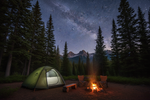
LETWESAF Safety Tips: 3 Bad Campsites to Avoid This Spring
, by OFFICIALLETWESAF, 5 min reading time
, by OFFICIALLETWESAF, 5 min reading time
Spring transforms America's backcountry into a camper's dreamscape with mild temperatures, blooming trails, and serene forests. But as the weather warms up, wildlife activity surges, especially for bears emerging from hibernation in search of food. Picking the wrong campsite can land you right in the middle of a wildlife travel route. Today, we're sharing science-backed advice to help you choose a safe, wildlife-friendly campsite, so you can explore wild spaces responsibly and stay protected without hassle.
Dangerous Zone: Right Next to Streams, Riverbanks & Watering Holes
Why This Area Poses a Risk
Water sources serve as key wildlife thoroughfares in spring. Deer, raccoons, coyotes, and bears all depend on these areas for drinking and foraging. Data from the National Park Service (NPS) reveals that more than 65% of human-wildlife run-ins occur within 100 yards of natural water sources during the spring months.
How to Recognize the Warning Signs
Look for frequent animal tracks, trampled vegetation, well-worn paths leading to water, claw marks on tree trunks, or scattered food debris. These are clear indicators that animals use the area regularly.
Safer Campsite Choice
Set up your camp at least 200 yards uphill from any water source. Opt for open, elevated ground with unobstructed visibility. This keeps you off animal paths while still keeping water access convenient.
Pro tip: Many outdoor safety experts recommend pairing smart site selection with a reliable perimeter alarm. A top-tier radar motion alarm system adds an extra layer of situational awareness, letting you detect movement before it reaches your tent.
Dangerous Zone: Dense Berry Bushes, Fruit Trees & Areas Rich in Natural Food
What Makes This Spot Risky
Spring brings fresh berries, tender shoots, and insect-heavy zones, prime foraging grounds for bears. The Interagency Grizzly Bear Study Team (IGBST) notes that the availability of natural food directly influences how often bears are seen near campsites.
How to Spot These Red Flags
Watch for heavy browsing marks, stripped tree bark, overturned rocks or logs, clusters of berries, or fallen fruit. These signs point to active feeding areas.
A Safer Alternative Campsite
Choose a cleared area with low-growing vegetation and minimal underbrush. Steer clear of fruit-bearing trees and thick berry patches entirely. A clean, open site reduces animal attraction and improves your ability to see your surroundings.
For extra peace of mind, many campers use a compact motion detector to monitor blind spots around their tents and gear. This non-intrusive tool helps foster safe coexistence without disturbing wildlife.
Dangerous Zone: Old Campsites with Food Odors, Trash, or Abandoned Gear
Why This Campsite Is Unsafe
Wildlife remembers reliable food sources. Food scraps, leftover trash, or strong scents from previous campers create “conditioned sites” that draw animals back time and again. NPS data links these food-conditioned sites to a much higher rate of unwanted wildlife visits.
How to Identify These Unsafe Sites
Check for food wrappers, lingering food odors, fire pits with leftover scraps, damaged tent stakes, or packed-down ground from repeated use. These are all red flags.
Your Safer Campsite Option
Choose a new, unused site on durable ground like gravel or pine duff. Follow Leave No Trace principles by packing out all waste. A clean site minimizes odor cues and reduces animal interest.
Many backcountry travelers boost their camp safety with a portable perimeter alarm. It creates a quiet detection zone around your camp, supporting proactive safety without disrupting the wilderness.
Golden Rules for Safe Spring Campsite Selection
1.Stay uphill and away from natural water corridors.
2.Avoid dense vegetation, fruiting plants, and obvious feeding zones.
3.Skip previously used campsites that have food odors.
4.Prioritize open, elevated, high-visibility ground.
5.Minimize odors and secure all food, trash, and scented items.
Quick Campsite Safety Checklist
·I am at least 200 yards away from streams, rivers, and watering holes.
·No berry bushes, fruit trees, or heavy foraging signs are nearby.
·The site has no food waste, trash, or strong odors.
·The area is open, well-drained, and easy to monitor.
I have a system to monitor my camp perimeter, such as a radar motion alarm system.
Spring camping is all about respecting wild spaces while enjoying them safely. By avoiding wildlife paths and choosing your campsite mindfully, you can stay away from wildlife attacks and protect your group. Trusted outdoor safety gear like the LETWESAF Portable Radar Perimeter Security Alarm supports this mission by providing discreet, reliable detection, so you can focus on the adventure.
Sources:
· U.S. National Park Service (NPS) Bear Safety & Camping Guidelines: https://www.nps.gov/articles/safety-bear.htm
Interagency Grizzly Bear Study Team (IGBST) Wildlife Behavior Data: https://www.usgs.gov/centers/northern-rockies-science-center/science/interagency-grizzly-bear-study-team

