

June Swarming Bee Safety: Steer Clear of Migratory Colonies Near Camps | LETWESAF Camping Safety Tips
, by OFFICIALLETWESAF, 6 min reading time
, by OFFICIALLETWESAF, 6 min reading time
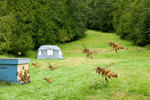
June marks the peak of honeybee swarming season across North America. According to the 2026 North American Beekeepers Federation report, this year’s swarming period has arrived 17 days earlier than the 30-year historical average, based on data collected from tens of thousands of beekeepers.
 Africanized honeybees continue to spread across 13 U.S. states, bringing heightened defensive behavior patterns to more outdoor and camping areas. For campers planning trips in woodland, meadow, and riparian zones, understanding swarming bee behavior is essential for maintaining safe campsite operations.
Migratory bee colonies regularly travel long distances in search of new nesting sites, and established campsites often sit along their natural flight paths. Proper preparation and clear safety protocols allow campers to share outdoor spaces with pollinators without unnecessary conflict. LETWESAF delivers reliable outdoor safety solutions to help campers navigate seasonal wildlife risks across North America.
Swarm Behavior & Activity Patterns
Swarming follows predictable seasonal and daily rhythms.
• The primary swarming window runs from late May through early July, with peak activity concentrated in mid-June.
• On a daily basis, migratory swarms are most active between late morning and mid-afternoon, when air temperatures support sustained, efficient flight.
Transiting colonies may hover in a single area for several hours while scout bees locate suitable nest sites. These temporary resting clusters typically form on tree branches, fence posts, or low shrubs, and will usually move on within 24 to 48 hours if left completely undisturbed.
Pre-Trip Planning & On-Site Assessment
Before departure, campers should review official National Park Service alerts for seasonal bee activity and temporary area closures. Many public lands issue advance warnings for zones with documented Africanized honeybee populations to help visitors plan itineraries accordingly.
Upon arriving at a campsite, campers can perform a five-step scouting check to identify nearby bee activity. Key inspection points include:
• Tree hollows and cracked tree trunks
• Rocky overhangs and cliff ledges
• Dense shrubbery and thick underbrush
• Abandoned ground burrows and rodent holes
• Undersides of picnic tables and park structures
Mark any active colonies as high-risk zones and maintain consistent clearance from those areas throughout the stay.
Safe Distance Guidelines & Detour Strategies
Safety distances follow a tiered structure based on colony size and observed behavior.
• 20 feet or less (high-risk zone): Immediate calm retreat is recommended without sudden arm movements or rapid footsteps.
• 100 feet (caution zone): Normal quiet activity is acceptable, but loud noises, mechanical vibrations, and strong floral or sweet scents should be avoided to prevent triggering defensive behavior.
• 300 feet or more (safe zone): This is the baseline safe distance for regular camping activity and daily campsite operations.
When a migratory swarm is detected along a planned route, the recommended strategy is to pause movement, wait for the main cluster to pass, and then take a wide detour around the resting area. Swatting motions and rapid running significantly increase the chance of triggering a defensive response.
First Aid Response for Bee Stings
Proper first aid follows a clear four-step sequence.
1. Remove any embedded stinger by scraping it sideways with a flat, rigid object to avoid squeezing additional venom into the skin.
2. Clean the affected area with mild soap and clean running water, then apply a cold compress to reduce swelling and local discomfort.
3. Administer over-the-counter antihistamine products to manage localized allergic reactions and persistent itching.
4. For individuals with known severe bee allergies, use an epinephrine auto-injector immediately at the first sign of systemic reaction, and seek emergency medical care without delay.
Legal Considerations & Reporting Duties
Wild bee colonies are protected under state wildlife conservation rules and local park regulations. Intentionally damaging or destroying active nests may result in citations or financial penalties, especially on federal and state park lands.
In areas with confirmed Africanized honeybee populations, campers have a responsibility to report newly discovered colonies to local park authorities or agricultural extension offices. Timely reporting helps land managers track colony spread and implement targeted public safety measures.
Smart Perimeter Monitoring for Remote Campsites
In dense woodland and high-vegetation camping zones, visual detection of approaching swarms can be extremely limited.
LETWESAF Portable Radar Perimeter functions as a highly sensitive camping perimeter alarm and motion sensor, detecting large moving clusters in dense woodland before they reach visual range. The system provides early awareness of approaching wildlife movement, giving campers extra time to secure food and take shelter if needed.
Quick Reference & Printable Checklist
• Check NPS alerts and local bee activity reports before departure
• Complete a five-point site inspection upon arriving at the campsite
• Maintain minimum 300-foot safe distance from active bee colonies
• Carry basic first aid supplies including antihistamines and cold packs
• Follow calm retreat protocol if approached by a defensive swarm
• Use perimeter monitoring equipment for early wildlife detection in remote areas
Thoughtful preparation and respect for wildlife allow campers to enjoy the full benefits of outdoor exploration safely. Seasonal awareness and proper safety gear turn potential risks into manageable situations, ensuring every camping trip remains comfortable and secure.
Have you encountered a migratory bee swarm during your camping trips? What strategies do you use to maintain safe distance from wild bee colonies? Share your outdoor safety tips in the comments below.
1. 2026 North American Beekeepers Federation Swarming Season Report: https://www.nabeekeepersfed.org/swarm-report-2026
U.S. Department of Agriculture Africanized Honeybee Range & Safety Guidelines: https://www.usda.gov/aphis/ourfocus/planthealth/plant-pest-and-disease-programs/pests-and-diseases/ahb

