

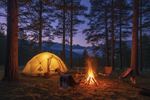
How to Avoid Snake Encounters While Spring Camping LETWESAF Camping Safety Tips
, by OFFICIALLETWESAF, 4 min reading time
, by OFFICIALLETWESAF, 4 min reading time
Spring 2026 has brought a sharp rise in snake activity across the United States. California Poison Control has recorded 77 rattlesnake bites in the first three months of the year. That number makes up nearly a quarter of its average annual total of 300 to 350 cases. Unusually warm weather has woken snakes from brumation weeks earlier than normal. This change makes snake encounters far more common for campers in American wilderness areas.
The United States is home to four main groups of venomous snakes. These include rattlesnakes, copperheads, cottonmouths and coral snakes. Rattlesnakes cause about half of all venomous snake bites. Copperheads bite more people than any other venomous snake species in North America. The good news is nearly all snake bites can be avoided with smart planning and careful campsite selection. This guide covers the three most dangerous campsite spots that act as snake high-traffic areas.
1. South-Facing Rocky Outcrops Popular Snake Basking Spots
Snakes rely on outside heat to control their body temperature. South-facing rocky slopes soak up sunlight and stay warm. These spots are perfect for snakes in early spring when temperatures stay between 50°F and 70°F. Many of these rocky areas also sit close to winter dens where snakes emerge as the weather warms.
How to spot high risk areas
Look for sunlit rock clusters near trails or water sources. Snakes often rest in rock crevices during the day and move at night.
First aid advice
If bitten stay calm and call 911 right away. Keep the bitten limb still and at the level of your heart. Do not use a tourniquet cut the wound or try to remove venom by suction.
Extra protection
Place a motion detector or perimeter alarm 10 to 15 feet from your tent. This setup creates an early warning system for nighttime snake movement.
2. Waterfront Campsites Prime Hunting Areas for Snakes
Cottonmouths and other water loving snakes live near lakes streams and marshes. These places have plenty of food like frogs fish and small mammals. They also give snakes easy access to water. Non venomous snakes also gather in these areas which raises the chance of unexpected meetings.
How to spot high risk areas
Steer clear of low-lying flood-prone spots and thick shoreline vegetation. Snakes often hide in water soaked logs or undercut river banks.
First aid advice
Remove tight clothing and jewelry right away to avoid swelling issues. Clean the bite with soap and water then cover it with a sterile bandage. Avoid caffeine and alcohol after a bite.
3. Dense Brush and Debris Piles Ideal Snake Hiding Spots
Copperheads and timber rattlesnakes favor thick undergrowth leaf litter and fallen logs. These spots work as great ambush points for small prey. They also stay cool and damp on warm spring days which draws snakes looking for shelter.
How to spot high risk areas
Watch for overgrown trails rotting wood piles and thick ground cover. Snakes stay hidden until they are disturbed.
First aid advice
Stay calm and still to slow the spread of venom. Watch for symptoms like swelling trouble breathing or nausea. Be ready to provide CPR if needed.
Extra protection
The LETWESAF Portable Radar Perimeter Security Alarm works well in dense terrain. This radar motion alarm system detects subtle movement that may go unseen with a standard flashlight.
Printable Safe Camping Checklist
1. Choose open flat ground at least 20 feet away from water rocks and thick brush
2. Clear the tent area of logs litter and leaf piles before setting up
3. Store food in sealed containers 10 feet above ground and 4 feet away from tree trunks
4. Wear closed toe boots and long pants while hiking or building camp
5. Use a LETWESAF Portable Radar Perimeter Security Alarm or motion detector to monitor camp edges
6. Carry a snake bite first aid kit and learn how to use it before your trip
7. Research local snake species and their living areas before arriving
Conlusion
Good preparation makes all the difference for safe spring camping. Avoiding these three snake high-traffic areas lowers your encounter risk greatly. Simple smart habits create a safer space for you and the wildlife around you.
At LETWESAF we stand by our vision Built for Exploring Nature. We believe exploration and preparedness always go hand in hand. Our goal is to help campers stay safe so they can focus on enjoying the outdoors.
What is your top snake safety tip for spring camping? Share your best practices in the comments below. We love hearing how fellow outdoor lovers stay safe in the wild.
1. CDC Venomous Snakes at Work https://www.cdc.gov/niosh/outdoor-workers/about/venomous-snakes.html
2. California Poison Control System 2026 https://factum.media/en/third-person-dies-from-snake-bite-in-california/
3. American Red Cross Snake Bite First Aid http://www.redcross.org/take-a-class/resources/learn-first-aid/venomous-snake-bites
U.S. Forest Service Wildlife Safety https://www.fs.usda.gov/r05/klamath/safety-ethics/respect-wildlife

