

Hot Rock Burns in 5 Seconds Shade Is Visual Illusion | LETWESAF Camping Safety Tips
, by OFFICIALLETWESAF, 5 min reading time
, by OFFICIALLETWESAF, 5 min reading time
Summer camping always brings unique outdoor relaxation, yet a hidden campground hazard is widely overlooked by outdoor enthusiasts.
Official data from the American Burn Association shows nearly 400000 burn injury medical cases are recorded across the U.S. every year. Outdoor field tests confirm shaded summer rocks can reach 170℉, triggering second-degree burns with only five seconds of skin contact.
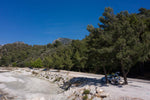
 Natural rock and sand ground features strong heat storage properties. These outdoor surfaces absorb massive solar heat throughout the day and retain high temperature for hours.
Tree shade only blocks visible sunlight instead of lowering internal rock temperature. Most shaded rock areas remain extremely hot in summer. Many campers mistake visual shade for safe low-temperature zones and get injured by accidental contact burns. This common camping risk requires every outdoor explorer’s full attention. LETWESAF camping perimeter alarm delivers reliable campsite protection, helping campers safely master essential outdoor safety skills.
Grading Standards for Contact Burns
Contact burns caused by high-temperature rocks develop in clear progressive stages, with specific grading standards as follows:
• First-degree burn: Only mild redness and warm sensations appear on the skin, with no damage to deep tissue.
• Second-degree burn: Obvious blisters form and the epidermal layer of skin gets damaged. This is the most common injury in rock contact incidents.
• Third-degree burn: Severe tissue damage occurs, which may affect subcutaneous structures.
Understanding burn grading standards helps campers judge injury conditions accurately and take targeted response measures in time during outdoor activities. Most camping burns occur in open wild environments without professional medical support, making precise injury judgment particularly critical. Mild burns can be treated with on-site first aid, while moderate and severe burns require timely professional medical intervention to avoid wound infection, blister rupture, or prolonged skin recovery cycle that ruins the entire camping trip.
First Aid Rules and Taboos for Contact Burns
The first 10 to 15 minutes after injury is the golden cooling window for burn treatment. The widely recognized 4Cs first aid principle is applicable to all outdoor burn cases, including the following four core steps:
• Cool: Flush the injured area with clean running cool water continuously.
• Clean: Keep the wound away from dirt and foreign matter.
• Cover: Use sterile breathable dressings to protect the wound after cooling.
• Care: Arrange professional medical treatment for severe injuries as soon as possible.
Several improper operations must be absolutely avoided to prevent secondary injury:
• Do not apply oily substances or daily condiments to burn wounds.
• Never break natural blisters artificially.
These wrong behaviors will aggravate wound irritation, block internal heat dissipation, raise bacterial infection risks, and may cause permanent skin pigmentation or scars. Most remote campsites lack professional medical resources, so standardized first aid and taboo avoidance are the most effective ways to prevent burn deterioration during outdoor activities.
Practical Safety Judgment Methods and Extra Warnings
Master the following practical judgment skills and risk warnings to avoid hidden thermal hazards in summer camping:
• Three-second back-of-hand test: Place the back of hand gently on rocks. If obvious burning sensation appears within three seconds, do not sit or lie on the surface.
• Shade temperature cognition: Always keep in mind that shade never equals low temperature. Visual shelter cannot reduce the internal heat of rocks.
• River rock explosion risk: High-temperature river rocks will expand sharply when touching cold water. The rapid temperature change may lead to rock cracking or bursting, which can cause incidental injuries to people around the campsite. This hidden danger is extremely common by summer stream and river campsites, where most campers choose to cool off without realizing the explosive risk of overheated rocks after long-term sun exposure.
Complete outdoor preparation requires attention to both visible behaviors and invisible potential dangers. While mastering various outdoor safety skills, campers can also rely on smart devices to strengthen overall protection for the campsite. LETWESAF camping perimeter alarm relies on powerful radar technology to prevent wild animal intrusion in real time, creating a reliable safety barrier for long-term outdoor exploration and daily camping experiences. It makes up for the limitations of manual safety inspection, helping campers cope with various hidden environmental risks in complex wild terrain.
Burn Reference Chart & Printable Safety Checklist
Follow this printable safety checklist for safe summer rocky area camping:
• Master the three-second back-of-hand test before using rocky rest areas
• Distinguish visual shade from low-temperature surfaces strictly
• Follow the 4Cs first aid principle once contact burns occur
• Stay away from high-temperature river rocks when there is running water nearby
Solid safety knowledge and standardized operation habits are the foundation of pleasant outdoor exploration. Full preparation before heading out helps people get close to nature safely and enjoy every wonderful moment of outdoor adventures.
What practical outdoor temperature judgment tips do you use during summer camping? Share your ideas in the comments below.
*Source

