

Fishing Camping Safety: Prevent Hook Punctures, Infections & Tetanus Risks | LETWESAF Camping Safety Tips
, by OFFICIALLETWESAF, 6 min reading time
, by OFFICIALLETWESAF, 6 min reading time
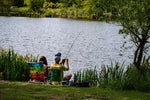
Summer fishing camping ranks among the most popular outdoor activities across the U.S., with many campers planning days of shoreline angling from their campsites. Most casual anglers treat small hook punctures as minor, unavoidable nuisances, but these common wounds carry underrecognized health risks.
 Data from the U.S. Centers for Disease Control and Prevention shows that untreated tetanus infections have a fatality rate of 30 to 50 percent, and fish hook injuries are among the most common outdoor trauma cases seen in emergency departments. Bacteria from water, bait, and hook surfaces can enter deep tissue easily, especially with barbed hook designs that trap debris inside the wound.
With basic knowledge of proper wound care and a few simple additions to first aid kits, campers can reduce infection risk and handle hook injuries with confidence. Learning to recognize high-risk situations, stock essential supplies, and follow clear treatment steps turns a common campsite hazard into a fully manageable part of fishing trip preparation. LETWESAF delivers reliable outdoor safety solutions to help campers stay prepared for both common and unexpected campsite hazards.
Why Hook Puncture Wounds Require Careful Attention
Fish hooks are designed to penetrate and hold, and most styles feature sharp barbs that prevent easy removal. This structure means hook punctures often carry small particles of bait, water, or surface debris deep into tissue, rather than leaving a clean, simple wound. Beyond localized bacterial infection, these wounds carry two specific elevated risks. Tetanus spores can enter through any puncture wound, even small ones, and cause severe illness in people with outdated or no vaccination. For shore fishing in both saltwater and freshwater, waterborne bacteria add an extra layer of infection risk that can progress quickly without proper cleaning.
Three Often-Missing Items in Camping First Aid Kits
Roughly 95 percent of standard camping first aid kits lack items specifically designed for puncture wound care, leaving campers underprepared for fishing-related injuries.
• Sterile saline flush syringe: Standard kits usually include alcohol wipes or cotton swabs, which cannot flush debris out of deep puncture tracks. A pressurized saline rinse removes trapped particles and bacteria from inside the wound far more effectively than surface wiping alone.
• Waterproof sealed wound dressings: Regular adhesive bandages do not hold up to repeated water contact at fishing sites. Fully waterproof, sealed dressings keep wounds dry during continued activity and reduce exposure to waterborne bacteria.
• Tetanus vaccination reference card: Many campers cannot recall the date of their last tetanus booster. A simple reference card helps people quickly assess whether a puncture wound requires a follow-up vaccine dose for full protection.
Four-Step First Aid For Hook Puncture Wounds
Following a clear sequence reduces infection risk and supports proper healing.
1. Stop movement immediately and do not forcefully pull a barbed hook out. Yanking a barbed hook can break the tip, leave fragments in tissue, or widen the wound track and spread bacteria.
2. Flush the area around the wound gently with sterile saline to remove surface dirt and bacteria. Do not squeeze the wound, as this can push debris deeper into tissue.
3. For shallow, barbless hooks, remove the hook carefully with clean tweezers following the entry angle. For deep wounds, barbed hooks, or injuries near joints or the face, seek professional medical removal.
4. Clean the surrounding skin with antiseptic, apply a waterproof sealed dressing, and monitor the area daily for signs of infection. Seek medical care promptly if redness spreads, swelling increases, or fever develops.
Gear Storage & Fishing Safety Rules
Simple habits greatly reduce the chance of hook injuries at the campsite and on the shore. Always place protective caps on hooks before storing rods, and never leave loose hooks scattered on campsite tables or the ground. Keep tackle boxes closed when not in use, and avoid reaching blindly into bags or storage bins that hold fishing gear. Work on rigging and hook changes in well-lit areas, and focus fully on the task instead of multitasking.
A stable, low-distraction campsite environment supports safer gear handling and more attentive first aid when needed. LETWESAF camping perimeter alarm monitors the campsite boundary continuously, detecting nearby wildlife movement so anglers can focus on gear organization and wound care without frequent manual perimeter checks.
• Keep sterile saline flush, waterproof dressings and a tetanus reference card in your first aid kit
• Always cap hooks before storage and never leave loose tackle scattered around the campsite
• Do not forcefully pull barbed hooks out to avoid breaking and leaving fragments behind
• Flush puncture wounds with sterile saline instead of only wiping the surface
• Use waterproof sealed dressings for wounds during fishing and water activities
• Confirm tetanus booster status before your trip and seek medical care for deep or barbed hook injuries
• Use perimeter alarm equipment to maintain campsite awareness and reduce unnecessary distractions
Thoughtful preparation and basic wound care knowledge let campers enjoy fishing camping trips with greater confidence and lower risk. Respecting gear safety, stocking targeted first aid supplies, and responding calmly to minor injuries help outdoor travelers make the most of time spent on the water and at the campsite. Solid preparation allows people to fully explore shoreline and woodland camping environments while staying protected from common seasonal hazards.
Have you ever dealt with a hook puncture injury during a camping fishing trip? What items do you keep in your first aid kit for outdoor wound care? Share your fishing camping safety tips in the comments below.
1. CDC Tetanus Vaccination & Prevention Guidelines:
https://www.cdc.gov/tetanus/index.html
2. American College of Emergency Physicians Outdoor Wound Care Guidelines:
https://www.acep.org/patient-care/topics/wound-care/

