

Fall Motorcycle Camping: 7 Things to Check Before You Leave the Trailhead
, by OFFICIALLETWESAF, 7 min reading time
, by OFFICIALLETWESAF, 7 min reading time
Fall is a great season for motorcycle camping. The temperatures are usually more comfortable than in summer, forest roads can be quieter, and a weekend ride can turn into a proper outdoor adventure once you find a place to camp.
 But autumn also changes the way you need to prepare. Wet leaves can cover loose gravel, shaded sections may stay damp all day, and the temperature at your campsite can feel very different from what you experienced while riding in the afternoon.
If you're planning an off-road motorcycle trip with camping gear strapped to your bike, these are seven things worth checking before you head out.
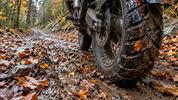
The first few miles can be misleading. A gravel road may feel firm near the trailhead, then turn muddy where it dips through a wooded hollow. Wet leaves can also hide rocks, roots, and uneven ground.
Ride at a speed that leaves you room to react, especially on corners and downhill sections. If the surface becomes slick or the ruts get deeper, stop somewhere safe and assess the route before continuing. Don't feel obliged to finish a trail simply because you've already ridden most of it.
Autumn riding conditions deserve extra attention. The Motorcycle Safety Foundation and AAA Northeast specifically highlighted wet leaves, road debris, colder temperatures, shorter daylight hours, and increased wildlife activity in their October 2026 seasonal safety reminder. Read the MSF guidance.
A motorcycle that feels fine unloaded may handle differently with camping equipment attached. Before departure, check that your luggage is secure and doesn't interfere with the exhaust, wheels, suspension, or steering. Make sure heavier items are positioned sensibly and that nothing can swing loose over rough ground.
Give the basics a quick once-over, too: tire condition and pressure, brakes, lights, chain, fuel level, and any tools you may need for a roadside repair. Carrying a compact tire repair kit and knowing how to use it can be more useful than packing another item of comfort gear.
For longer routes, let someone know where you're heading and when you expect to return. If your plan changes, update them when you have a signal.
Riding generates heat, and your protective gear may make a cool afternoon feel comfortable. Once you stop moving, that changes quickly. Fall evenings can get cold, particularly in exposed areas or at higher elevations.
Bring a dry insulating layer, rain protection, gloves suitable for colder conditions, and sleeping gear appropriate for the expected overnight low. Keep the layers you need after dark somewhere you can reach without unpacking the entire motorcycle.
It's also worth checking the forecast shortly before departure rather than relying on the one you looked at earlier in the week. If rain, strong wind, or an early cold snap is expected, shorten the route or choose a campsite with safer access.
After a long ride, it's tempting to stop at the first flat patch of ground you see. But a convenient-looking spot isn't automatically a safe or legal campsite.
Check local rules first, including whether overnight camping is permitted and whether motorcycles are allowed on the route. Look for firm, reasonably level ground, and avoid low areas that could collect water, slopes where a parked bike may fall, and places beneath dead or unstable branches.
The National Park Service recommends checking campsite regulations and looking for hazards such as flash flooding, lightning, and dead trees before setting up. Its advice is a useful reminder that choosing a campsite involves more than finding somewhere comfortable to sleep. NPS campsite selection guidance.
For motorcycle campers, one extra consideration is how you'll get the bike in and out. Avoid parking where the motorcycle could sink into soft ground or where turning around in the morning would be difficult.
 A motorcycle has limited storage space, so food and cooking gear are often packed tightly together. That's convenient while riding, but it makes it important to plan where those items will go when you reach camp.
Use sealed containers or approved wildlife-resistant storage methods, and clean up food scraps and rubbish after every meal. Don't leave snacks in an open tank bag or hanging from a handlebar overnight. Follow the rules for the specific campsite, especially in bear country.
The National Park Service notes that food smells, rubbish, and even cooking equipment with food residue can attract wildlife. Animals that repeatedly find food around campsites may return and become more accustomed to people. NPS guidance on cooking, food storage, and wildlife.
This is also where a little organization helps. Keep food storage separate from your sleeping area when local guidance requires it, and never approach or feed an animal that wanders through camp.
When you're riding, your campsite may be left unattended for several hours. Your motorcycle, helmet, riding kit, and camping gear could all be sitting in one place while you're exploring a trail or visiting a nearby town.
Before leaving camp, secure valuables, store equipment neatly, and avoid leaving anything easy to carry in plain sight. When you return, take a moment to check the surrounding area and make sure everything is where you left it.
At night, I like having LETWESAF's camping perimeter alarm as an additional way to stay aware of movement around the campsite. It can complement a sensible setup, particularly when the bikes and gear are parked near the sleeping area. It isn't a replacement for locking up equipment, choosing a suitable campsite, or following local safety advice.
The aim isn't to worry about every sound in the woods. It's to make a few simple preparations so you can relax once the riding is done.
A route that takes two hours in summer may feel very different in fall if you have to stop to check a muddy section, repair a puncture, or find an alternative trail. Shorter daylight hours leave less room for delays.
Set a realistic turnaround time, keep offline maps available where possible, and carry enough water, food, and basic repair supplies in case the ride takes longer than expected. If you're riding alone, be even more conservative about remote routes and changing weather.
And remember that off-road access rules vary by location. Stay on routes open to motorized use, follow posted closures, and don't assume that a visible track is automatically legal to ride.
Motorcycle camping is about more than finding a trail and riding until you're tired. The ride, the campsite, and the trip home all matter.
Check the bike. Watch the weather. Pack for the cold. Store food properly. Keep an eye on the campsite, and leave enough daylight to handle a change of plans.
With those basics covered, you can spend less time dealing with preventable problems and more time enjoying the reason you brought your motorcycle into the backcountry in the first place.
Protect every adventure.


