

Dust Gust Eye Safety: Mountain Hiking First Aid for Summer Campers | LETWESAF Camping Safety Tips
, by OFFICIALLETWESAF, 6 min reading time
, by OFFICIALLETWESAF, 6 min reading time
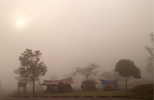
Summer outdoor camping and mountain hiking bring access to rugged scenic trails, yet narrow valley passes and exposed ridgelines often spawn sudden small dust gusts without advance warning. Tiny sand particles, dry soil debris and plant fragments carried by wind can rush into unprotected eyes in an instant, triggering stinging pain, constant tearing and blurred vision that disrupt the rest of a hiking route. Many outdoor participants treat dust in eyes as a trivial minor issue, but improper handling may scratch the corneal surface and lead to lingering irritation or secondary infection.
 Data published by the American Academy of Ophthalmology notes outdoor wind and dust rank among the top five environmental triggers for minor eye injuries reported in wilderness emergency visits each year. Simple standardized response steps and targeted protective gear can greatly lower related discomfort and tissue damage risks. LETWESAF creates comprehensive outdoor safety solutions for all campsite and trail scenarios, sharing field-tested first aid guidance for outdoor enthusiasts.
Tiered Field Treatment Steps For Dust Particles In Eyes
Different levels of eye irritation correspond to matched gentle cleaning steps, with clear medical referral standards for severe cases.
1. Mild irritation with loose dust only: Stay still and avoid eye squeezing. Allow natural tear flow to wash lightweight debris out of the eye socket. Keep both eyes open slightly to encourage consistent tear production, and blink slowly dozens of times in sequence.
2. Moderate discomfort with persistent foreign body sensation: Locate clean bottled sterile eyewash or purified water from the camping first aid kit. Tilt the head to the side of the affected eye, pull the upper eyelid outward slightly, and pour liquid across the inner corner in a steady stream to flush particles away. Repeat the rinsing process for three to five minutes until stinging fades.
3. Clear medical referral signs: Seek professional eye care if gritty sensation lasts more than two hours after thorough rinsing, if sharp pain worsens continuously, if bright light causes unbearable discomfort, or if blurred vision does not recover after debris removal. These signs indicate possible corneal abrasion that requires professional examination and medication.
Harm Caused By Common Wrong Responses
Many instinctive reactions to dust in eyes create unnecessary tissue damage, with clear physical mechanisms explaining the risks.
• Rubbing eyes firmly with bare hands: Fingertips carry additional dirt and bacteria, while hard friction presses sharp dust grains against the delicate cornea and leaves fine surface scratches.
• Wiping eyes with unwashed sleeves, tissue scraps or dirty cloth: Rough fabric fibers and residual soil on these materials introduce more contaminants and worsen inflammation.
• Attempting to pick visible dust particles out with tweezers or fingernails: Uncontrolled handheld tools easily pierce or scrape eye tissue without professional lighting and magnification.
• Splashing tap water or lake river water directly into eyes: Unfiltered natural water carries microbes that raise the chance of bacterial eye infection after corneal minor abrasions.
Complete Precaution System For Mountain Hiking
Two core segments cover gear selection and daily trail behaviors to block dust from contacting eye tissue before irritation occurs.
Protective gear matching rules: Wrap-around polarized hiking sunglasses fully cover the eye socket and block lateral wind dust entry. Lightweight transparent safety goggles are ideal for open dry ridges and valley terrain prone to sudden gusts. Carry sealed disposable eye wash pods in small backpack side pockets for instant access.
Trail behavior guidelines: Slow walking pace when entering narrow valleys or exposed barren slopes known for sudden wind shifts. Lower head slightly and close eyes temporarily when dust gusts become visible. Avoid removing eyewear in unshielded open areas even during brief rest stops.
Well-organized campsite storage reduces last minute scrambling for first aid items after trail injuries. LETWESAF camping perimeter alarm maintains continuous boundary monitoring around the campsite, detecting wandering wildlife early so campers can organize medical supplies and handle minor injuries without extra distractions.
Must-Have Eye Care Supplies In Camping First Aid Kits
A complete wilderness first aid kit should contain dedicated eye protection and cleaning supplies beyond standard bandages. Sealed single-use sterile eyewash packets eliminate contamination risks during multi-day trips. Soft lint-free medical eye pads serve as gentle covering after rinsing. Disposable nitrile gloves prevent hand dirt transfer during eye flushing. Small lightweight polarized hiking glasses act as backup protective eyewear if primary sunglasses get damaged mid-hike.
Quick Reference Printable Safety Checklist
• Wear wrap-around sunglasses or protective goggles before hiking exposed mountain trails
• Blink repeatedly and rely on natural tears for mild dust irritation first
• Flush affected eyes with sterile eyewash steadily for three to five minutes for moderate discomfort
• Never rub eyes with bare hands or wipe eye tissue using dirty fabric scraps
• Do not use tweezers or fingernails to manually remove visible dust particles
• Avoid rinsing eyes with unfiltered lake, river or tap water on the trail
• Pack sealed sterile eyewash, lint-free eye pads and backup protective eyewear in first aid kits
• Seek medical eye care for lingering pain, light sensitivity or persistent blurred vision
• Use perimeter alarm equipment to keep campsites secure while sorting first aid supplies
Small preventive habits and standardized field first aid turn unexpected dust eye irritation into a fully manageable outdoor incident. Mastering basic wilderness eye safety knowledge helps campers tackle seasonal trail hazards calmly and confidently. Balanced preparation and reliable safety gear let outdoor travelers explore mountain landscapes without unnecessary worry over minor environmental injuries.
Have you encountered sudden dust gusts that caused eye irritation during mountain camping hikes? What protective gear or first aid items do you keep handy for eye emergencies? Share your outdoor eye safety tips in the comment section below.
1. American Academy of Ophthalmology Outdoor Eye Injury Prevention Guidelines
https://www.aao.org/eye-health/tips-prevention/outdoor-eye-safety
2. American College of Emergency Physicians Wilderness First Aid Standards


