

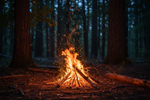
Drought Dry Plants and Flying Embers LETWESAF Camping Safety Tips
, by OFFICIALLETWESAF, 5 min reading time
, by OFFICIALLETWESAF, 5 min reading time
The 2026 wildfire season across the United States has brought unprecedented challenges to all outdoor enthusiasts and camping lovers. Official statistics show that wildfires have burned more than 19 million acres of land nationwide so far. Up to 85 percent of these wildfires trace back to human activities, and stray embers from campfires rank among the most common ignition sources in woodland camping areas. Many remote forest zones and recreational campgrounds face elevated fire risks throughout the warm months, as warm air and limited rainfall combine to create volatile outdoor conditions.
A small flying ember can travel dozens of feet in dry air and catch dead leaves or twigs alight in mere seconds. Every campsite visitor needs to learn standard fire safety rules to protect surrounding natural areas. LETWESAF camping perimeter alarm prevents wild animal intrusions in advance and adds reliable protection for every campsite during daily camping activities.
How Flying Embers Trigger Wildfires
Flying embers follow clear physical paths when carried by wind. Once these burning particles land on dry plant matter, heat spreads rapidly along dense dead branches. The whole process takes only a few seconds and leaves little time for early intervention. Small ignition points can quickly expand into larger flames when continuous dry fuel is available all around the campsite.
Campfire safety therefore relies on full preparation rather than emergency response. All people who set up a campsite must master a complete set of operational standards to block the spread of stray embers effectively. Simple pre-use checks and careful fire management can eliminate most hidden dangers before they develop into serious incidents.
Core Campfire Safety Standards
1. Three-Zone Clearance System
This is the core mandatory rule for campfire setup in dry woodland areas, endorsed by U.S. national park wildfire management guidelines to prevent ember spread and accidental ignition.
• First zone: Clear all dead twigs, dry grass, leaves and loose combustible items within a three foot radius around the fire pit.
• Second zone: Remove tall dry shrubs and hanging low branches within another six feet outward to stop floating embers from catching fire.
• Third zone: Keep large piles of firewood and camping gear away from open flame at the edge of the active campsite.
2. Rules to Control Flying Embers
These practical rules effectively reduce spark generation and block ember drift, adapting to variable wind conditions common in summer outdoor camping scenarios.
• Always keep campfires small and manageable instead of building large roaring flames.
• Avoid adding overly dry branches that produce large amounts of sparks and burning fragments.
• Monitor wind direction constantly while the fire burns and adjust the resting area accordingly.
3. Three-Step Fire Extinguishing Check
After the campfire goes out naturally, follow the standard three-step inspection below to confirm full extinction and eliminate hidden smoldering risks completely.
1. Stir the remaining ashes thoroughly.
2. Pour plenty of water over the ashes.
3. Feel the ground repeatedly to make sure no hidden heat remains.
Real Cases and Emergency Handling
Real cases from national park management records prove the value of strict fire protocols. A small unattended campfire caused a local wildfire last spring because flying embers reached nearby dry bushes. The incident affected nearby outdoor trails and forced temporary closure of the campsite area. Park rangers also spent extra resources on fire containment and post-fire ecological restoration after the accident.
If people spot a small flame caused by stray embers, they should use water, soil or existing fire tools to put it out right away. Never attempt to run away or ignore small open flames in dry vegetation areas. Quick and calm action at the early stage can stop minor sparks from turning into destructive wildfires.
Printable Campfire Safety Checklist
Follow these items to develop good outdoor safety habits for every campsite.
1. Check local fire bans before entering any woodland campsite.
2. Complete the three zone clearance before lighting any open fire.
3. Keep water buckets or fire extinguishing tools within easy reach all the time.
4. Stick to small campfires and watch over flames until full extinction.
These simple principles form the foundation of responsible outdoor exploration. Basic safety habits let every group enjoy outdoor moments while respecting natural surroundings. LETWESAF fits security and defense needs for outdoor activities and delivers steady protection for people who love heading into the wild.
Every camping trip combines fun with necessary preparedness. Proper knowledge and careful steps prevent avoidable fire risks in drought affected regions. Respect for nature and adherence to safety standards let outdoor exploration continue for years to come. Responsible behavior from every outdoor visitor plays a key role in protecting public lands and shared natural resources for future generations.
All visitors are welcome to share their practical campfire safety experiences in the comment section below.
1. U.S. Forest Service 2026 Wildfire Preliminary Report: https://www.fs.usda.gov/managing-land/wildfires
2. National Park Service Campfire Safety Guidelines:https://www.nps.gov/fire/wildland-fire/learn-about-fire/campfire-safety.htm
Interagency Fire Center Human-Caused Wildfire Statistics 2026: https://www.nifc.gov/

