

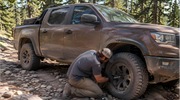
Don't Let a Small Vehicle Problem Ruin Your Backcountry Camping Trip
, by OFFICIALLETWESAF, 2 min reading time
, by OFFICIALLETWESAF, 2 min reading time
Off-road camping usually starts with a good plan: pick a trail, pack the truck, bring enough food and water, and get out there.
But once you're several miles down a dirt road, small vehicle problems can become much bigger problems.

A tire that slowly loses pressure, a loose recovery strap, an overheated engine, or a battery that won't cooperate isn't a big deal when you're five minutes from town. It's a completely different situation when you're sitting on a remote trail with no cell service.
That's why vehicle preparation deserves as much attention as your camping gear.
Tires are one of the first things I check before heading into rough terrain.
Rocks, sharp edges, loose gravel, mud, and low-pressure driving can all put extra stress on them. Before a trip, check the tread, inspect the sidewalls, and make sure your tire pressure matches the terrain and your vehicle manufacturer's recommendations.
If you're planning to air down for a trail, make sure you have a reliable way to air back up before getting back on pavement.
A portable compressor can be one of the most useful pieces of gear in an off-road setup.
A lot of people think recovery gear only matters when the truck is buried in mud.
That's not really the whole story.
A recovery strap, appropriate recovery points, traction boards, shovel, jack, and basic tools can all become useful when terrain doesn't go according to plan. The important part is knowing how your equipment works before you need it.
There's not much time for reading instructions when your vehicle is sitting at an awkward angle halfway up a rocky trail.
Getting to camp is only half the job.
Once you've parked and set up your tent, you're still in a remote environment. Food, cooking smells, wildlife, weather, and unfamiliar surroundings can all become factors after dark.
That's where I like to think about campsite preparation as a separate part of the trip.
I keep food properly stored, clean up the cooking area, and set up my LETWESAF camping perimeter alarm around camp. It gives me another layer of awareness around the campsite while I'm inside the tent or sleeping.
It's not a replacement for good campsite habits or local wildlife regulations. It's simply another tool in the setup.
Probably the most important off-road tip is also the easiest one to ignore: don't let the route become more important than getting home.
If the weather changes, the trail becomes unsafe, the vehicle starts showing signs of trouble, or you're running short on daylight, turning around is sometimes the smartest move.
There's always another weekend to come back.
A good off-road trip isn't measured by how far you managed to push the vehicle. It's measured by getting out, having a great time, and making it back with the truck—and everyone in it—in good shape.


