

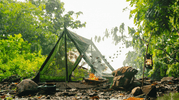
CDC: Dusk to Dawn Is Mosquito Prime Time | LETWESAF Camping Safety Tips
, by OFFICIALLETWESAF, 6 min reading time
, by OFFICIALLETWESAF, 6 min reading time
Summer outdoor camping delivers immersive natural exploration experiences, yet nighttime mosquito activity brings underestimated health risks that affect long-term outdoor wellness. The Centers for Disease Control and Prevention has released alarming 2026 West Nile virus seasonal surveillance data. As of June 30, 2026, a total of 48 confirmed human cases have been recorded across 23 U.S. states, among which 38 cases involve severe neuroinvasive conditions. This figure is nearly five times the 22-year historical average for early summer infection levels.
 CDC official guidance clearly advises outdoor participants to minimize external activities from dusk to dawn, the peak window for high-risk mosquito bites. Quality nighttime camping protection is not merely a comfort improvement measure, but a basic outdoor health defense line. LETWESAF focuses on outdoor camping safety research and provides systematic safety support for all outdoor and campsite scenarios.
Most campers regard mosquito bites as trivial outdoor nuisances and ignore the strict time-based activity patterns of disease-carrying mosquito species. The primary mosquito vectors for West Nile virus remain most active throughout dusk to dawn. Low wind speed, dropping temperatures, and dim light create stable breeding and foraging conditions for mosquitoes, while daytime high heat and intense sunlight suppress their activity. The 2026 mosquito season has arrived earlier and intensified faster than usual, extending the high-risk time window for summer outdoor camping. Many campers enter tents for rest exactly during peak mosquito hours, creating a high-risk exposure state that increases bite probability overnight.
Four-Tier Progressive Mosquito Protection Strategy for Campsites
Scientific nighttime mosquito prevention relies on layered control covering site selection, physical barriers, chemical repellents, and environmental management, forming a full-coverage defense system for summer camping.
• Campsite location screening. Prioritize open and well-ventilated terrain with sustained wind flow for camping. Avoid setting up tents near stagnant water, dense shrubs, and shaded low-lying zones. These areas easily gather moisture and provide ideal breeding environments for mosquitoes, forming concentrated insect activity hotspots around the campsite.
• Physical barrier isolation. Check tent mesh screens, zippers, and internal sealing performance before nighttime rest. Ensure no gaps or damaged areas allow mosquito entry. Deploy fully enclosed mosquito nets for sleeping areas and wear long-sleeve outdoor clothing during evening campsite activities to reduce exposed skin areas.
• Standardized chemical repellent application. Apply EPA-registered mosquito repellents on exposed skin and outdoor gear before dusk. Follow official concentration and duration guidelines for effective and safe protection. Supplementary repellent devices can be placed around the campsite perimeter to reduce regional mosquito activity density.
• On-site environmental management. Eliminate all stagnant water accumulation within the campsite range, including water containers, puddles, and damp debris. Keep the camping area clean and tidy to reduce hidden habitats for mosquitoes and fundamentally lower nighttime insect disturbance risks.
Graded Response Solutions for In-Tent Mosquito Intrusion
Timely and standardized disposal of accidental mosquito entry effectively avoids overnight continuous disturbance and repeated bites. For single mosquito intrusion, locate and remove the insect before falling asleep to eliminate hidden risks thoroughly. For multiple mosquito entries, recheck tent sealing gaps, close all zipper openings completely, and conduct comprehensive manual removal inside the tent. For continuous repeated intrusion, inspect surrounding campsite environmental hazards and relocate the resting area to a more open and ventilated terrain if necessary.
Common Night Camping Mosquito Prevention Misconceptions
Many outdoor safety blind spots stem from incorrect mosquito prevention habits, and several common misconceptions repeatedly compromise campsite safety.
• Overreliance on campfire smoke: Smoke-based repellent methods deliver unstable protection and fail to block bites from disease-carrying mosquito species linked to West Nile virus.
• One-time dusk-only repellent application: Insect repellent active ingredients degrade over time, so single application at dusk cannot support full-night outdoor and campsite protection.
• Full enclosed tent safety myth: Completely zipped tents do not eliminate mosquito risks. Small gaps created during entry and exit remain the most common intrusion channels for outdoor campsites.
• Ignoring standing water cleanup: Unremoved stagnant water around the campsite continuously breeds new mosquitoes, resulting in persistent nighttime insect disturbance during camping.
Stable campsite environmental safety creates solid conditions for focused outdoor risk prevention. The LETWESAF camping perimeter alarm works stably in no-network wild environments, monitoring campsite peripheral safety in real time. While guarding base camp safety against external interference, it helps campers focus on standardized mosquito prevention operations and nighttime rest arrangement.
Printable Summer Camping Night Mosquito Safety Checklist
• Avoid camping near stagnant water and dense shrub gathering areas
• Inspect tent mesh and zipper sealing before nighttime rest
• Apply EPA-registered repellent before dusk outdoor activities
• Eliminate all stagnant water inside and around the campsite
• Adopt graded disposal methods for accidental mosquito intrusion
• Avoid over-reliance on traditional campfire smoke for insect repellent
• Supplement protective measures to maintain all-night mosquito defense
Nature exploration requires rigorous and detailed safety preparation behind every free outdoor journey. Scientific mosquito prevention habits avoid health hazards caused by nighttime insect bites and ensure stable physical states for continuous outdoor exploration. Standardized campsite management and layered defense strategies allow outdoor enthusiasts to adapt to summer wild environments calmly. Meticulous pre-trip preparation and on-site protection always support confident and sustainable nature exploration.
What is your most effective mosquito prevention method for summer outdoor camping? Have you ever encountered nighttime insect disturbance affecting your campsite rest? Share your practical outdoor mosquito protection tips in the comments below.
· Centers for Disease Control and Prevention. 2026 West Nile Virus Early Season Surveillance Report

