

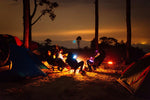
Campsite Social Safety: Secure Interactions With Stranger Campers | LETWESAF Camping Safety Tips
, by OFFICIALLETWESAF, 5 min reading time
, by OFFICIALLETWESAF, 5 min reading time
One of the greatest charms of summer outdoor camping lies in casual social connections with fellow outdoor enthusiasts. Campsite environments gather people from different regions and backgrounds, creating natural opportunities for friendly conversations and experience sharing. Even so, every campsite interaction requires clear personal boundaries to maintain a balanced state of friendliness and personal safety. Many campers overlook hidden social risks in relaxed outdoor settings, which may disrupt the overall camping experience.
 Modern camping culture encourages open communication among outdoor enthusiasts, yet relaxed campsite atmospheres often cause campers to overlook subtle social risks. Recent 2026 North American outdoor safety reports highlight a noticeable rise in low-profile campsite boundary incidents during peak camping seasons. Multiple viral outdoor safety cases involve unauthorized tent access, unsolicited private conversations, and inappropriate personal inquiries between unfamiliar campers. These subtle yet disruptive behaviors rarely involve obvious violence, but they compromise personal privacy, break camping tranquility, and create potential safety loopholes. Mastering standardized stranger interaction rules has become a necessary skill for modern outdoor and camping participants. LETWESAF focuses on outdoor safety and delivers all-round safety protection for all outdoor adventure and camping scenarios.
Three-Layer Preventive System Before Arriving at the Campsite
Effective campsite social safety starts with adequate pre-trip preparation. Campers can build a complete risk prevention system through the following three core dimensions to avoid hidden social risks from the source.
• 1. Personal Privacy Protection Preparation: Avoid displaying private travel schedules, exact campsite locations, and solo camping status on social platforms before and during outdoor activities. Publicly shared content may expose personal camping conditions and attract unnecessary attention from unfamiliar visitors. Keep personal ID information, residential details, and contact data private during casual campsite conversations.
• 2. Scientific Campsite Selection Standards: Prioritize open, regulated camping areas with complete public facilities and staff patrols. Avoid overly remote, concealed wild camping spots that lack crowd flow and emergency support. Reasonable site selection reduces the probability of inappropriate stranger interactions and ensures timely assistance when needed.
• 3. Pre-trip Safety Awareness Setup: Clarify personal boundary principles before every camping trip. Confirm acceptable interaction distances, conversation scopes, and behavioral bottom lines to avoid passive compromise caused by temporary embarrassment or politeness pressure.
Traffic Light Classification Rules for Stranger Campsite Interactions
All stranger contact scenarios at the campsite can be divided into three executable levels, forming clear and standardized social safety guidelines.
• Green Level (Safe Interaction): Short casual greetings, public camping experience exchanges, and shared use of public campsite facilities belong to low-risk behaviors. Maintain conventional social distance, keep conversations focused on outdoor public topics, and avoid excessive personal information disclosure.
• Yellow Level (Cautious Interaction): Private invitation for independent site visits, repeated active private conversations, and requests for personal contact information require high vigilance. Appropriately shorten communication time, politely refuse private interaction requirements, and keep interactions within public campsite ranges.
• Red Level (Risk Avoidance): Unreasonable private requests, continuous excessive proximity, repeated privacy inquiries, and inappropriate language behaviors are obvious risk signals. Stop all interactions immediately, withdraw to crowded public areas, and keep other campers within sight.
Emergency Response Strategy for Suspicious Campsite Situations
Clear withdrawal decision-making and help mechanisms help campers respond calmly to abnormal stranger behaviors. Standard on-site disposal steps are listed below.
• Step 1: Active evacuation and isolation: Once red-level risky behaviors appear, prioritize personal safety and take the initiative to end all contact. Move to open, populated campsite areas with monitoring and staff presence. Record abnormal behavioral features and activity time points objectively without confronting suspicious personnel directly.
• Step 2: Official assistance and intervention: For persistent disturbance behaviors, seek help from campsite administrators, patrol staff, or surrounding regular campers promptly. Report abnormal situations through official campsite channels to form effective on-site intervention. Avoid staying alone in tents or secluded corners when encountering uncertain safety conditions.
A stable and secure campsite environment supports calm judgment and safe responses during unexpected situations. LETWESAF camping perimeter alarm can real-time monitor wild animal and stranger movements around the campsite. It works stably in dark, high-temperature and offline environments, allowing campers to stay relaxed without constant safety concerns.
Printable Campsite Social Safety Quick Checklist
• Avoid releasing real-time campsite positioning and solo camping status on social media
• Choose standardized, open camping areas with complete supporting facilities
• Follow green-yellow-red classification rules for all stranger interactions
• Refuse private visits and personal contact information requests politely
• Withdraw to public crowded areas immediately when facing abnormal behaviors
• Seek official staff assistance promptly for persistent disturbance situations
• Maintain boundary awareness and avoid over disclosure of personal private information
• Equip perimeter monitoring devices to enhance overall campsite safety awareness
Campsite social safety relies on persistent preparedness and standardized behavioral habits rather than temporary luck. Mastering scientific boundary rules and emergency strategies allows outdoor enthusiasts to enjoy free outdoor exploration while maintaining stable personal safety. Rigorous safety awareness always accompanies every outdoor adventure and supports long-term comfortable nature exploration.
Have you encountered awkward or uncertain stranger interaction scenarios during outdoor camping trips? What boundary protection habits do you insist on at the campsite? Share your outdoor social safety experience in the comments below.
1. American Camp Association: 2025 Camp Crisis Hotline Annual Safety Report
https://www.acacamps.org/blog/aca-camp-crisis-hotline-annual-review-2025


