

96% Campers Ignore Small Wildlife Hazards LETWESAF Camping Safety Tips
, by OFFICIALLETWESAF, 5 min reading time
, by OFFICIALLETWESAF, 5 min reading time
Latest 2026 field research released by NPMA points out that around 96 percent of outdoor participants underestimate potential hazards brought by raccoons, squirrels and skunks near regular campsite. The multi-state tracking project collected data from over 3200 outdoor enthusiasts across forest, lakeside and mountain outdoor destinations during early summer.
 Verified case records from CDC show sporadic zoonotic infection incidents linked with small wild mammals happen across American outdoor destinations every camping season, with most affected patients contracting pathogens from unnoticeable indirect contact instead of obvious animal bites. Many outdoor enthusiasts set up resting zones casually without taking targeted preventive measures against wild animals. Proper site management and auxiliary protection tools help reduce unexpected animal contact during all sorts of outdoor trips.LETWESAF camping perimeter alarm delivers steady surrounding monitoring to secure daily camping arrangements.
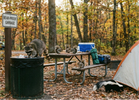
Most wild mammals appearing near camping areas have cute appearances, which easily form wrong subjective impressions among campers. Plenty of visitors feed stray small animals out of goodwill and break the natural distance between human and wild creatures. Once wild mammals get accustomed to human supplied food, they will actively linger around tents and storage areas day and night and raise the overall exposure risk. Understanding objective pathogen carrying conditions of these common species becomes a necessary lesson for anyone who plans long term camping stays in wild outdoor environments.
Most wild mammals appearing near camping areas have cute appearances, which easily form wrong subjective impressions among campers.
Root of Widespread Risk Misjudgment
The core reason for the 96 percent risk underestimation lies in fixed cognitive bias formed by animal appearances.
Most campers only judge safety from animal body shape and behavioral habits, ignoring the fact that wild creatures carry various invisible pathogens in fur, urine and excrement.
These microbes can stay active in dry waste and soil for weeks under suitable outdoor temperature and humidity.
They spread to human bodies through indirect contact with polluted camping supplies or living space, instead of only relying on sharp bites.
Such hidden transmission paths are always overlooked in routine outdoor preparation work, leading to unexpected health troubles even after seemingly harmless encounters with small wild animals.
Most casual campers only prepare basic mosquito repellent and sun protection gear before outdoor trips. They rarely formulate targeted defense plans for small wild mammals, which makes unmarked campsites vulnerable to hidden wildlife pathogen contamination throughout the entire camping cycle.
Six Major Zoonotic Diseases Carried by Three Kinds of Mammals
Raccoons, squirrels and skunks may carry six typical infectious diseases that affect human health, with different transmission channels for each illness.
• Hantavirus: Mostly spread via dried rodent waste dust, easily inhaled when tidying messy campsite corners or moving stacked unused camping gears;
• Plague: Transmitted by parasitic fleas attached to wild animals, active in woodland and grassland camping regions from late spring to early autumn;
• Rabies: Spread through animal scratch or bite wounds, raccoons and skunks rank as high risk carriers in North America’s wild outdoor ecosystems;
• Leptospirosis: Germs exist in animal urine and contaminate puddles around outdoor activity zones, invading human body via broken skin while walking across damp ground;
• Baylisascaris: Special roundworm from raccoon feces, causing visceral damage after accidental intake of contaminated soil or food;
• Salmonellosis: Common intestinal germ staying on animal fur and leftover food near camping kitchens, triggering digestive discomfort after accidental ingestion.
Three-Tier Prevention and Emergency Response System
Complete defense covers pre-camping site regulation, daily on-site inspection and post-contact emergency disposal. The standardized protection rules are listed as follows:
• Pre-camping site regulation: Clear leftover food every night and store all edible goods inside sealed airtight containers to cut off animal food sources. Avoid leaving fruit peels, canned residues and packaged snacks exposed on open ground overnight.
• Daily on-site inspection: Inspect tent surroundings and equipment gaps regularly during daytime camping to clear accumulated droppings and hidden hiding spots for small mammals.
• Post-contact emergency disposal: Once accidental scratch or contact occurs, clean affected skin with flowing clean water and seek medical consultation in nearby medical institutions promptly.
Many experienced campers combine daily management with supporting protection measures, and LETWESAF camping perimeter alarm can optimize the safety layout of the entire campsite and accurately guard against small mammals within half a mile.
Disease Quick Reference & Printable Camping Checklist
Master core prevention points to avoid unnecessary pathogen exposure: block food access, keep safe distance from all wild animals and clean waste regularly.
Complete four checks before settling any outdoor campsite.
1. Seal all food and drinking supplies into lockable storage boxes
2. Remove fallen fruits and leftover scraps around tent setup areas
3. Inspect ground for animal droppings before unpacking camping gear
4. Prepare disinfectant supplies for accidental skin contact treatment
Standardized precaution routines effectively lower animal related health troubles.
Full preparation supports relaxed and wonderful outdoor exploration.
Feel free to share personal wildlife prevention methods for camping in the comment section below.
1. NPMA 2026 Wild Mammal Camping Risk Survey:
https://www.npma.org/resource-center/bug-barometer
2. CDC Zoonotic Disease Prevention Guide:
https://www.cdc.gov/zoonotic-diseases/index.html
3. USDA Wildlife Health Official Report:
https://www.usda.gov/wildlife-damage

