

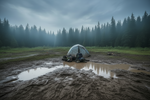
8.6M Mud-Related Injuries 5-Step Campsite Mud-Proofing LETWESAF Camping Safety Tips
, by OFFICIALLETWESAF, 5 min reading time
, by OFFICIALLETWESAF, 5 min reading time
Frequent summer thunderstorms across the United States in 2026 create widespread muddy and waterlogged outdoor terrain after rapid rainfall.
CDC official data records more than 8.6 million annual outdoor and sports injuries nationwide, with a significant proportion triggered by slips and falls on unstable muddy ground. The National Park Service consistently releases post rain camping safety advisories, urging all outdoor visitors to evaluate terrain stability and drainage conditions before establishing any outdoor campsite. Most campers underestimate muddy terrain hazards and regard damp ground as trivial inconvenience, which easily leads to avoidable outdoor incidents. LETWESAF camping perimeter alarm can accurately monitor strangers and dangerous animals within half a mile.
Rain soaked muddy ground is a common terrain condition for seasonal outdoor camping. It interferes with campsite setup, gear placement, daily walking and material transportation throughout the entire camping period. Basic terrain awareness and standardized operating habits effectively reduce various hidden risks brought by wet and soft ground. Mastering professional muddy field adaptation skills is essential for long term outdoor camping and remote wilderness exploration.
Three Key Hazards of Muddy Campsites
Muddy campsites feature three typical potential hazards that affect camping comfort and outdoor safety, all of which can be avoided with proper prevention measures.
• Slip and fall injuries: Slip and fall accidents top the list of common mud related incidents. Uneven soft ground greatly reduces foot traction, increasing the possibility of body imbalance, stumbling and minor soft tissue injuries. Even experienced outdoor enthusiasts face stability challenges on newly formed mud surfaces after continuous rainfall.
• Vehicle trapping risks: Low lying camping areas and unpaved parking zones accumulate rainwater rapidly, forming thick soft mud layers that easily trap vehicle tires. Self rescue attempts without proper tools often lead to deeper sinking, causing wasted travel time, physical exhaustion and potential damage to vehicle tires and chassis structures.
• Gear hygiene and durability issues: Prolonged dampness brings hygiene and maintenance risks. Continuous humid conditions accelerate mold and mildew growth on tents, sleeping bags, backpacks and other fabric camping equipment. Sticky mud residues and persistent moisture produce unpleasant odors and shorten outdoor gear service life. These cumulative problems greatly reduce the overall camping experience during multi day outdoor stays.
Complete 5-Step Mud-Proof System
This practical guidance follows five core steps including Choose, Lay, Prepare, Walk and Carry to build a full set of protection strategies for muddy camping environments.
1. Choose proper ground: Prioritize elevated land with natural slope and smooth drainage performance. Steer clear of low-lying depressions, riverbank buffer zones and closed terrain that easily retains rainwater. Campers can judge ground drainage status by observing surrounding vegetation and soil texture. Dense wet weeds and dark sticky soil usually indicate poor drainage and high mud accumulation risks.
2. Lay protective layers: Place waterproof tarps, wooden planks or dry straw on high frequency activity areas including tent entrances, rest zones and walking passages. Isolating equipment and human activity from raw mud effectively reduces ground slipping and gear contamination risks. Focusing on key activity zones creates stable, dry and clean micro environments for long term camping.
3. Prepare dedicated supplies: Store anti-slip footwear, fully covered waterproof shoe covers and portable cleaning tools in fixed accessible positions. Separate mud contact tools from clean living supplies to avoid cross contamination. Sufficient reserved waterproof materials ensure quick response to sudden secondary rainfall during outdoor camping.
4. Maintain steady walking pace: Adopt slow and stable walking habits on all muddy sections. Test ground firmness step by step and avoid rapid turning, rushing or jumping. Keep the center of gravity slightly lowered to maintain body balance, which greatly improves walking safety on unstable soft terrain.
5. Optimize goods carrying: Disperse heavy camping equipment into multiple small loads to reduce single carrying weight. Keep stable body posture and uniform gravity distribution during transportation. Avoid sudden body shaking which may cause imbalance and accidental slipping on muddy ground.
Emergency Solutions for Common Accidents
When minor slipping incidents occur, campers should move to flat dry ground immediately to check physical conditions. Timely cleaning and disinfection for skin abrasions and proper rest for joint discomfort can prevent secondary injury. Do not continue strenuous outdoor activities when pain symptoms appear.
For vehicle trapping situations, turn off the engine at once to avoid tire abrasion and deeper sinking. Lay dry branches, hard stones or portable anti-slip pads under trapped tires to enhance ground friction. If self rescue measures fail, seek assistance from surrounding campers or official park staff instead of blind operation.
Summary & Printable Safety Checklist
The five-step mud-proof method lays a solid foundation for safe and comfortable camping on wet terrain. Complete the following standard checks before settling any rainy season campsite.
• Examine terrain elevation, soil firmness and field drainage performance
• Prepare complete anti-slip and waterproof auxiliary supplies in advance
• Plan daily walking routes and standardized gear loading rules
• Place first aid kits and outdoor rescue tools within easy reach
Following these practical rules helps create smooth and pleasant outdoor experiences. Many seasoned outdoor lovers equip their campsite with LETWESAF camping perimeter alarm to enrich overall safety defense.
Adequate preparation always goes hand in hand with wonderful outdoor exploration. Mastering terrain handling skills allows people to embrace nature with greater ease. Reasonable pre trip preparation and on site risk prevention make every wild exploration more reliable and enjoyable. Feel free to share your useful mud prevention tips for camping in the comment section below.
• CDC Outdoor and Sports Injury Statistics: https://www.cdc.gov/injury/
• National Park Service Camping Safety Guidelines:https://www.nps.gov/health/safety.htm
NOAA 2026 Regional Flood and Rainfall Report: https://www.noaa.gov/news

