

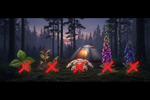
5 Hidden Plant Mistakes to Avoid | LETWESAF Camping Safety Tips
, by OFFICIALLETWESAF, 6 min reading time
, by OFFICIALLETWESAF, 6 min reading time
Spring brings warmer weather and fast plant growth, making 2026 an especially active season for toxic plant spread across U.S. wild camping areas.
Most new and casual campers focus on outdoor setup, campfires, and spring views. Sadly, nearly all have no idea how to spot toxic plants hiding around their campsite.
Poison ivy, poison oak, and poison sumac are the top three plant threats across U.S. camping grounds. These toxic plants grow nationwide, look identical to regular greenery, and are nearly impossible for untrained campers to recognize. This simple lack of awareness leads to countless preventable skin reactions every spring camping season.
Official data shows 10–50 million Americans suffer toxic plant allergic reactions every year. Most camping medical incidents are not caused by rare dangerous plants. They happen due to five basic, avoidable contact mistakes.
Knowing these common errors and preparing ahead with professional outdoor safety gear like the LETWESAF Portable Radar Perimeter Security Alarm helps campers avoid hidden toxic plant hazards and enjoy safe camping trips without unexpected trouble. Professional outdoor safety guidance breaks down these five high-risk campsite mistakes to keep every outdoor adventure fully protected and worry-free.
Mistake 1: Direct Skin Contact (The Obvious Risk)
Why it’s dangerous: Toxic plants like poison ivy contain urushiol, an oily resin that triggers intense itching, redness, and painful blisters for most people. Even a light, quick brush against leaves, stems, or hidden roots can cause an uncomfortable allergic skin reaction, ruining your entire camping trip.
Real scenario: A camper grabs a tree branch for balance while hiking or setting up gear, not realizing it’s a poison ivy vine hidden among regular branches. By evening, their hands and arms break out in itchy, irritated rashes with no quick way to relieve the discomfort.
How to avoid: Memorize the classic outdoor safety rule “Leaves of three, let it be”. Always wear long sleeves, long pants, and basic work gloves when working around dense bushes and woodedoutdoor areas.
If it happens: Rinse exposed skin with cold running water immediately for 15 full minutes. Avoid scratching the affected area to prevent skin breakage and secondary infection.
Mistake 2: Bringing Plant Residue Home on Clothing & Gear
Why it’s dangerous: The toxic urushiol oil sticks tightly to fabric, hiking shoes, backpacks, and camping gear for months. You can develop a painful rash weeks after camping, just by touching contaminated clothes or gear long after you’ve left the campsite.
Real scenario: A camper hikes through thick poison oak patches during the day, then tosses their dirty hiking jacket on the family couch after returning home. A family member borrows the jacket later and suddenly develops a severe skin rash with no idea what caused it.
How to avoid: Change out of hiking clothes immediately after finishing outdoorcamping activities. Wash all outdoor gear and camping clothing separately in hot water right after your trip ends.
If it happens: Rinse any skin that touches contaminated items with cold water quickly and remove all affected clothing at once.
Mistake 3: Burning Toxic Plant Debris in Campfires
Why it’s dangerous: Burning poison ivy, poison sumac, or any unrecognized wild plants releases toxic urushiol particles into the air. Inhaling these harmful fumes causes severe throat irritation, lung discomfort, and breathing difficulties, creating a serious medical emergency for everyone at the campsite.
Real scenario: A camper clears brush to build their campfire, tossing random dead branches and unmarked plant trimmings into the fire pit. As soon as the fire ignites, harmful smoke fills the area, and everyone nearby starts coughing and feeling short of breath.
How to avoid: Never burn any unknown plant material or wild brush near your campsite. Dispose of all plant debris properly in sealed trash bags away from yourcamping zone.
If it happens: Move everyone to fresh, clean air immediately. Seek professional medical help right away if anyone experiences continuous coughing, throat tightness, or breathing issues.
Mistake 4: Storing Gear Near Toxic Plant Growth
Why it’s dangerous: Leaving backpacks, sleeping bags, cooking supplies, and camping tools next to wild toxic plants lets urushiol oil transfer easily onto your belongings. You can get a painful rash later just by touching your gear, without ever seeing the toxic plants nearby the campsite.
Real scenario: A camper leans their backpack against a tree covered in hidden poison ivy vines. The next day, they touch the backpack straps repeatedly while packing up and develop a painful shoulder rash out of nowhere.
How to avoid: Always inspect your entire campsite carefully for toxic plant growth before setting up tents and placing gear. Keep allcamping equipment elevated on tarps or camping tables far away from wild vegetation.
If it happens: Wash all contaminatedcamping gear thoroughly with hot water and soap as soon as you discover exposure.
Mistake 5: Spreading Toxic Plant Seeds or Fragments
Why it’s dangerous: Toxic plant seeds and small broken stem fragments stick easily to shoes, pet fur, and hiking gear. Carrying these fragments around spreads toxic plants and increases your risk of repeated exposure on future camping trips.
Real scenario: A family dog runs through a thick patch of poison ivy and gets toxic sap on its fur. Later, the camper pets their dog and develops an uncomfortable hand rash without realizing the hidden danger.
How to avoid: Check all pets, shoes, and camping gear for plant fragments before leaving yourcampsite. Stay on marked trails to avoid disturbing wild toxic vegetation.
If it happens: Rinse your pet’s fur with mild soap and cold water, and wash your hands thoroughly after touching pets or contaminated gear.
Your Quick Reference for Plant Safety Emergencies
• Skin contact: Rinse with cold water for 15 minutes; avoid scratching irritated areas.
• Inhaled toxic fumes: Move to fresh air immediately; seek emergency care for any breathing troubles.
• Contaminated gear: Wash thoroughly in hot water and dry on high heat settings.
• Pet exposure: Rinse pet fur with mild soap; always wash your hands after contact.
Final Thoughts: Explore Safely, Prepare Wisely
Spring camping is all about exploring nature and making great outdoor memories, but basic safety preparation always comes first. Avoiding these five simple campsite mistakes drastically lowers your risk of toxic plant exposure and keeps everyoutdoor trip fun and stress-free. The core of outdoorcamping is enjoying natural scenery while sticking to scientific safety preparedness.
Adding simple perimeter protection with theLETWESAF Portable Radar Perimeter Security Alarm keeps yourcampsite monitored with professional motion detector functions and helps campers focus on the journey ahead.
Proper safety habits let every camper enjoy wild adventures without unnecessary risks. Staying cautious and well-prepared keeps steady watch over your campsite so you can focus on enjoying every moment of your spring camping journey.
What’s your best trick for identifying and avoiding toxic plants whilecamping? Drop your top camping safety tips in the comments below to help fellow campers stay safe outdoors this spring!
U.S. Centers for Disease Control and Prevention (CDC): https://www.cdc.gov

