

Remote Desert Primitive Camping: Untamed Outdoor Days at Grand Staircase-Escalante
, by OFFICIALLETWESAF, 5 min reading time
Primitive desert camping comes with a unique tradeoff: unmatched wilderness solitude paired with unseen after-dark risks. No developed campground rules, no crowd noise, and no safety infrastructure means you’re fully responsible for your own outdoor safety the second you set up camp.
 During my recent three-day solo backcountry stay inside Grand Staircase-Escalante National Monument, I embraced the quiet freedom of remote Utah desert camping while prioritizing practical safety measures.
 To eliminate the stress of endless manual night scanning on this open, exposed terrain, I added my LETWESAF camping perimeter alarm to my minimalist gear lineup, creating a simple, reliable safety buffer for my off-grid desert campsite.
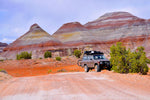
Grand Staircase-Escalante’s wilderness stands out for its harsh, unpolished desert character. The landscape is defined by layered red rock benches, winding dry sand washes, sparse drought-resistant shrubbery, and wide-open exposed terrain that stretches to the horizon. Per official BLM guidelines, dispersed camping here is permit-free but requires strict low-impact practices: campers must stick to pre-existing durable dirt sites, avoid camping in dry washes or near natural water sources, and pack out 100% of waste to protect fragile desert ecosystems. I set up my campsite on a well-compacted backcountry dirt spot, trading modern camp comforts for unfiltered access to Utah’s iconic desert backcountry views.
Most new desert campers only prepare for extreme heat and dehydration, overlooking the monument’s significant nocturnal wildlife activity. The arid desert landscape feels barren and lifeless under bright daytime sun, but after dusk, the entire ecosystem activates. Skunks, desert kit foxes, scavenger rodents, and small burrowing pests actively patrol open campsite zones, drawn by even the faintest human food and scent residues. Unlike wooded camping areas with natural cover and sound buffers, the open desert carries every tiny noise and scent across long distances, letting wildlife home in on campsites with ease while remaining unseen until they’re metres away.
What makes overnight camping here uniquely stressful is the total lack of visual and sensory security. In forest outdoor settings, trees and terrain variations break up sightlines and muffle ambient sounds. On this open desert floor, there are zero natural barriers. I adhere strictly to all BLM desert camping protocols: I maintain zero food exposure after dark, store all scented toiletries and trail snacks in sealed waterproof sacks, and fully sanitize my cooking area post-meal. Even with flawless campsite discipline, the invisible nature of desert wildlife movement creates persistent, unshakable camping uncertainty all night long.
My first two nights in the monument left me physically and mentally drained. The desert’s absolute nighttime silence creates a hyper-aware mental state where every shift of sand, distant brush rustle, or faint surface movement feels threatening. I constantly cycled through headlamp scans of the empty desert perimeter, unable to fully settle into deep sleep. I knew overvigilance would ruin my daytime hiking and exploration plans, but I had no reliable way to monitor my sprawling open campsite while resting.
To break this exhausting cycle and refocus on enjoying the wilderness instead of fearing it, I deployed my LETWESAF camping perimeter alarm before sunset on my final full day. I positioned it to cover the widest open approach to my camp, targeting the flat wash transition zones where desert wildlife most frequently travels after dark. I kept my strict low-impact camping routine unchanged, relying on proven desert safety habits while letting the device take over full nighttime perimeter oversight.
This small gear addition completely redefined my desert outdoor experience. For the first time all trip, I didn’t have to stay in constant survival-mode alert. After finishing my evening camp maintenance and securing all gear and supplies, I settled into my tent with full confidence in my campsite’s overnight safety, ditching the mental fatigue that plagues most solo desert campers.
Shortly after midnight, the device delivered a distinct, clear alert signaling nearby wildlife activity. I activated a low-intensity red headlamp to preserve night vision and avoid startling the animal. A curious desert fox had wandered into the outer perimeter of my camp, investigating residual scent traces left from daytime meal prep. The early warning created enough time for the fox to detect human camp activity and retreat voluntarily, vanishing into the desert darkness without approaching my tent or touching any outdoor equipment.
Through the rest of the night, the unit registered several minor alerts for small scavenger animals moving through distant shrub lines, all well outside my active campsite zone. There were no close encounters or disruptive movements. I experienced uninterrupted, restful sleep and woke at dawn feeling fully energized, ready to explore remote slot canyon trails and sweeping desert ridgelines that make Escalante such a coveted outdoor destination.
This trip solidified actionable, BLM-aligned safety tips specific to Grand Staircase-Escalante primitive camping. Always prioritize established impacted campsites to preserve fragile desert biocrust. Separate cooking and sleeping zones with ample space to limit scent concentration. Conduct full gear checks each evening to dislodge hidden desert insects and pests. Most importantly, never equate a quiet desert night with an inactive wildlife environment—open terrain always invites unseen after-dark movement.
Desert backcountry camping rewards intentional, prepared outdoor explorers. The stark, stunning beauty of Escalante’s untamed landscape comes with unique camping challenges that demand respect and proactive safety habits. Proper preparation eliminates unnecessary stress without limiting outdoor adventure.
By the end of my three-day journey, I’d immersed myself in Utah’s raw desert wilderness, exploring secluded trails and watching vibrant sunsets over layered red rock formations. Having dependable perimeter support from LETWESAF allowed me to trade exhausting manual night watches for genuine wilderness immersion, embodying the balanced preparedness every remote outdoor trip requires.
 The most rewarding outdoor adventures thrive on careful readiness and bold curiosity. Respecting wild desert ecosystems and equipping yourself with reliable safety tools lets you explore deeper, camp longer, and connect more authentically with untouched natural landscapes.
Do you prefer high-desert primitive camping or mountain backcountry trips? What’s your biggest unspoken safety concern while camping in wide-open, barren wilderness terrain? Share your outdoor camping experiences below.
*Sources
Bureau of Land Management. Grand Staircase-Escalante National Monument Safety & Primitive Camping Guidelines. https://www.blm.gov/programs/national-conservation-lands/utah/grand-staircase-escalante-national-monument/safety-conditions

